


Would You Spend Millions on a Party You Don’t Attend?
Sounds crazy, right? Yet, brands like Nike, Coca-Cola, and Red Bull invest billions in events they don’t even organize. Why? Because sponsorship is more than just slapping a logo on a banner—it’s a calculated business strategy. Understanding how big brands pick events to fund can unlock a world of opportunities for event planners, businesses, and aspiring professionals. Let’s break it down.
Brands don’t sponsor just any event—they target their ideal audience. Coca-Cola, a long-time sponsor of the Olympics, isn’t just there for visibility. It’s about association. The Olympics represent unity, global reach, and celebration—values Coca-Cola aligns with perfectly. Through this, Coca-Cola strengthens its brand as a symbol of joy and togetherness worldwide.
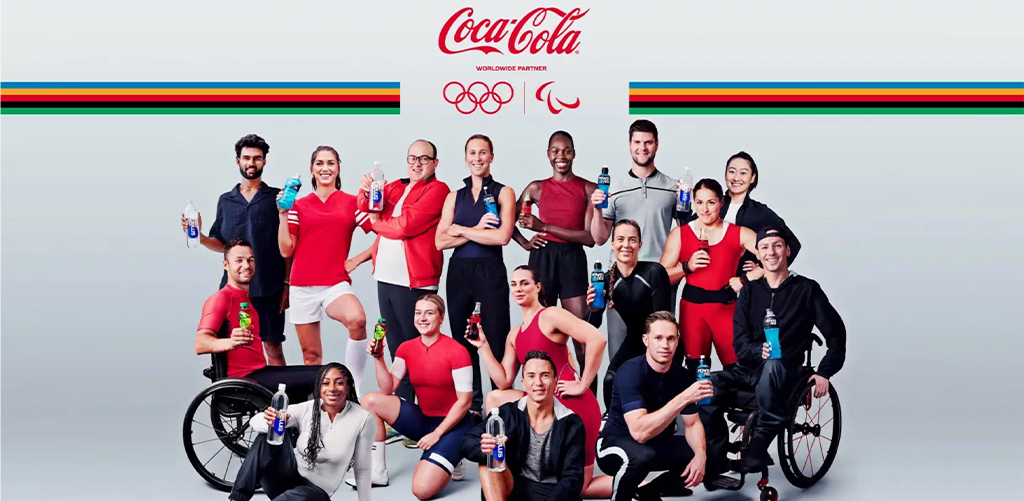
The same principle applies to event planners. At JD Institute, students in the Global Event Management program learn how to identify the right audience and craft sponsorship pitches that appeal to major brands. By studying real-life case studies, they develop the skills to align events with the right sponsors and maximize commercial potential.
What to Learn: If you want sponsors, think about your audience. Does your event align with a brand’s values and target customers? The stronger the match, the higher the chances of sponsorship.
Nike isn’t just about selling shoes; it’s about selling a mindset. That’s why it sponsors marathons, track events, and sports teams—because endurance, strength, and victory are part of its brand DNA. Take the sponsorship of the Boston Marathon: Nike uses it to connect with athletes and fitness enthusiasts, reinforcing its position as the go-to brand for sportswear.
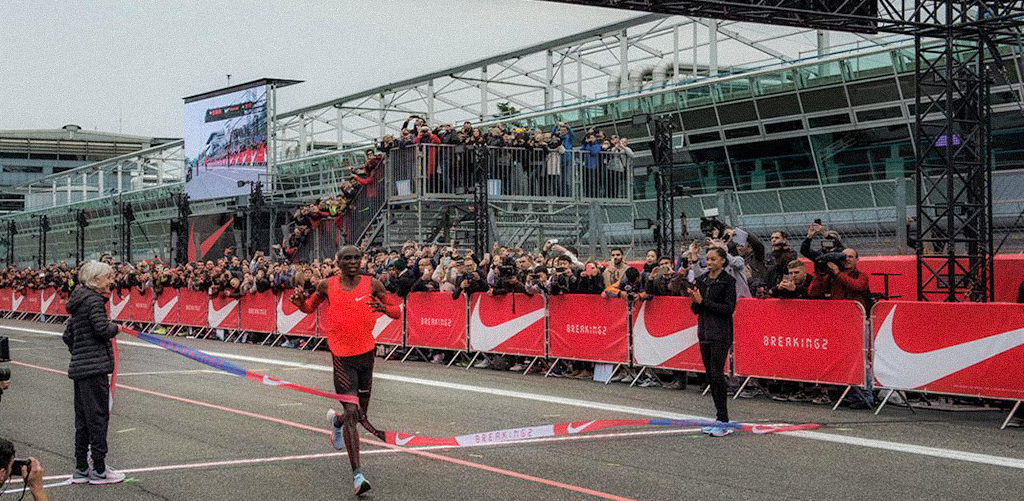
Sponsorship is about telling a brand’s story through an event, and this is where event planners play a key role. The Global Event Management course at JD Institute teaches students how to build strong narratives around their events, making them more attractive to big brands. Understanding branding, audience engagement, and sponsorship psychology gives students an edge in the competitive event industry.
What to Learn: Brands look for storytelling opportunities. If your event can help them tell a compelling story, sponsorship deals are much easier to secure.
Red Bull doesn’t just sponsor events—it creates them. From Red Bull Flugtag to Red Bull Air Race, the brand invests in high-adrenaline sports that embody its “Gives You Wings” slogan. Unlike traditional sponsorships, Red Bull crafts experiences that make its product necessary to the event itself.
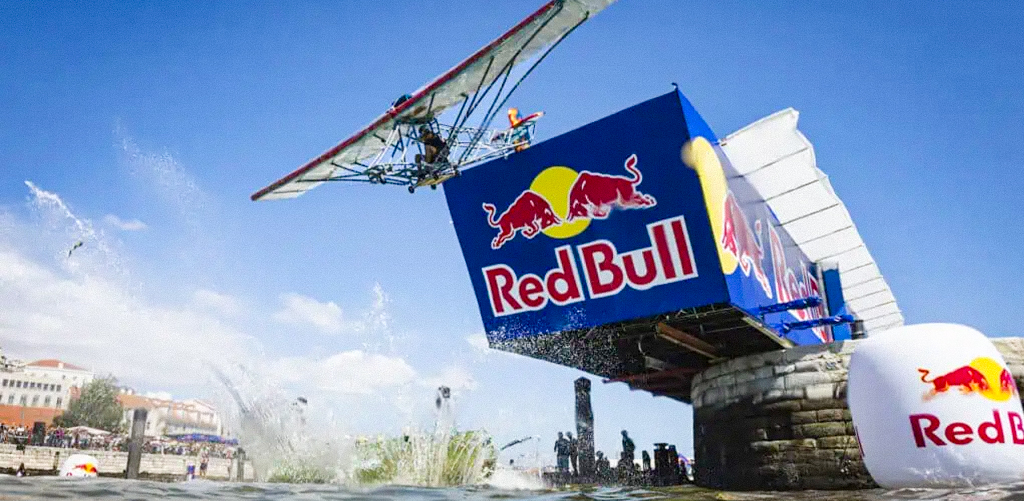
For event professionals, this highlights the importance of innovation in event sponsorships. Students should explore the concept of experiential marketing and how brands integrate themselves deeply into events, creating unforgettable sponsorship activations.
What to Learn: If you’re seeking sponsorship, think beyond conventional models. Brands might be more interested in co-creating an event than just adding their name to it.
Pepsi has long been a major player in music sponsorships, backing events like the Super Bowl Halftime Show and Coachella. Why? Because music is a universal connector, and Pepsi taps into youth culture through these sponsorships. By associating itself with top artists and trending music festivals, Pepsi stays relevant and appealing to younger demographics.

What to Learn: Think about cultural relevance. If your event aligns with entertainment, fashion, or lifestyle trends, it becomes more attractive to brands that want cultural capital.
Sponsorships aren’t just about sales—they can also be about values. Adidas, for example, sponsors eco-friendly initiatives and sustainability-focused events like Run for the Oceans. This allows the brand to position itself as a leader in ethical fashion and sustainable sportswear.
Modern event managers need to understand how corporate social responsibility (CSR) shapes sponsorship choices. At JD Institute, students learn how sustainability, social causes, and ethical branding influence event partnerships. This knowledge is crucial for creating events that attract sponsors looking to make an impact beyond just marketing.
What to Learn: Brands today care about social causes. If your event promotes sustainability, diversity, or community development, it increases your chances of getting sponsorships from value-driven companies.
If you were a brand, would you sponsor your own event? If the answer isn’t a confident yes, it’s time to rethink your strategy. Sponsorship is about value exchange—brands don’t just give money; they look for impact. Understanding this balance is what separates a good event planner from a great one. And if you want to be the latter, learning from industry experts at JD Institute might just be your best move yet.
 Design Blogs
 Watch on youtube


 Downloads

Copyright © 2025 JD Institute of Fashion. All Right Reserved
Designed by




 Quick Menu