

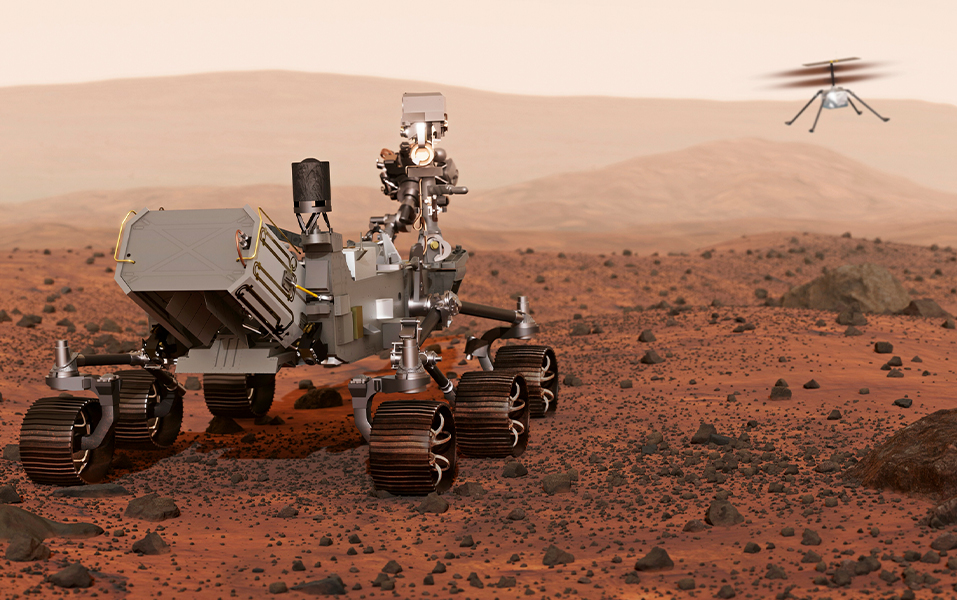
“The Earth is the cradle of humanity, but one cannot live in a cradle forever.” – Konstantin Tsiolkovsky
You wake up, stretch, and step out—not onto a wooden floor, but onto a surface engineered to withstand the harshest conditions in the universe. The air is thin, gravity feels different, and outside your window, an endless red landscape stretches into the distance. This isn’t a dream or a scene from a sci-fi film—it’s the reality that architects and designers are shaping right now. As humanity inches closer to interplanetary living, the challenge of designing sustainable habitats on Mars is becoming one of the most exciting frontiers in architecture.
With Earth facing environmental challenges and an ever-growing population, colonizing Mars is no longer a wild dream but a necessity for future generations. Mars has extreme temperatures, thin air, and high radiation, making human survival a complex puzzle. Enter space architects, who are blending technology, sustainability, and design to craft interplanetary homes.
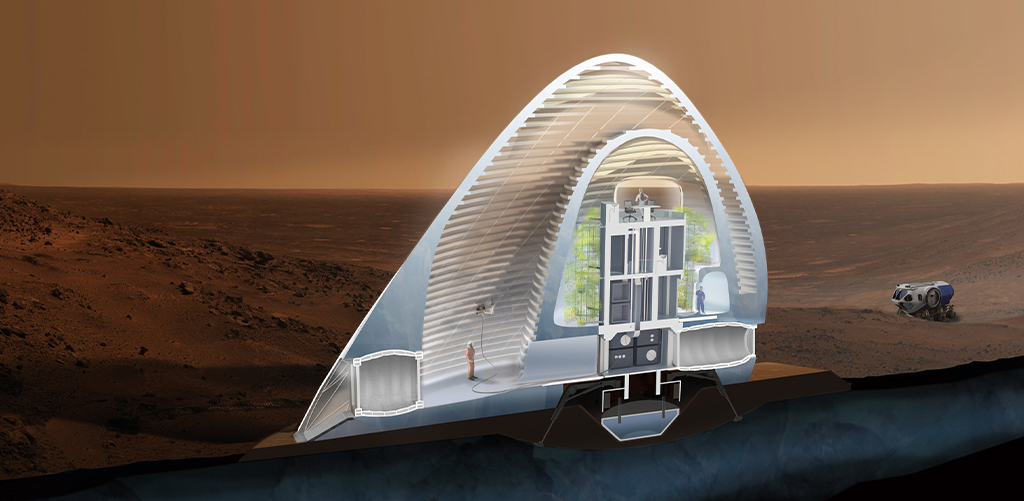
Building on Mars isn’t as simple as constructing on Earth. Transporting materials across space is costly, so the solution lies in using Martian resources. NASA’s Mars Ice House is a prime example. Designed by SEArch+ and Clouds AO, this habitat concept uses 3D-printed ice to form protective domes, shielding humans from harsh radiation while maintaining a breathable environment.
What Aspiring Designers Must Learn:
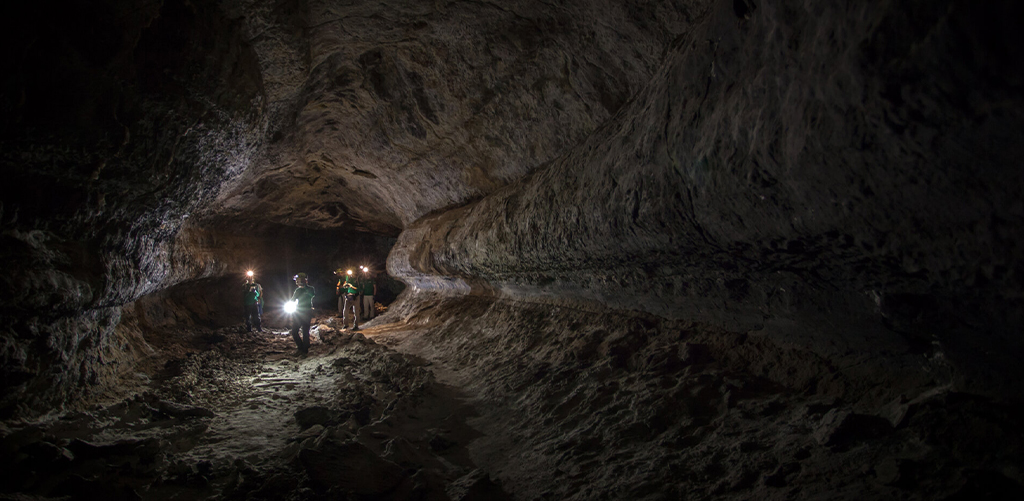
Nature might have already provided ready-made shelters on Mars in the form of lava tubes—underground tunnels formed by ancient volcanic activity. The European Space Agency (ESA) has been exploring these tubes as potential habitats. They offer natural insulation against extreme temperatures and cosmic radiation, making them a strong contender for future settlements.
JD Institute of Fashion Technology trains students to think beyond traditional architecture. Courses focus on sustainable design, material innovation, and problem-solving for extreme environments, equipping students with skills to create future-ready structures.
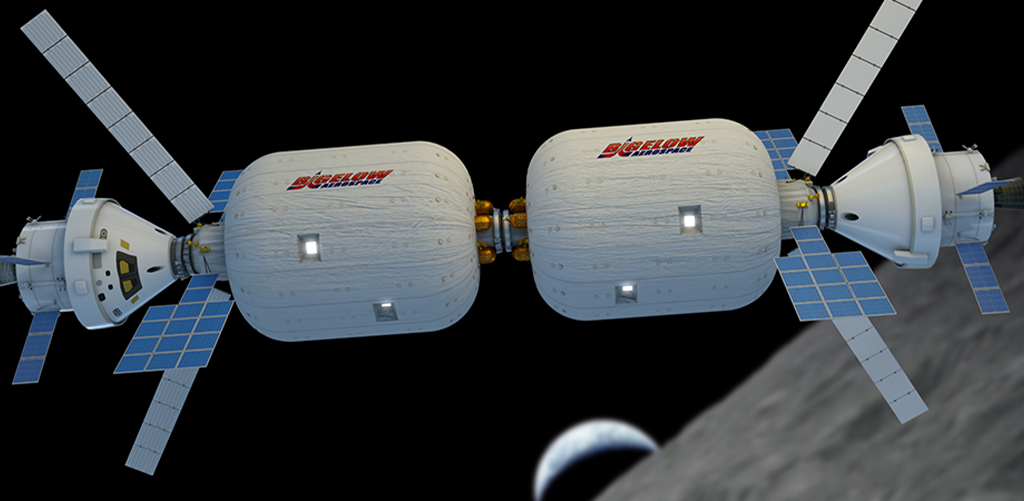
NASA’s TransHab and Bigelow Aerospace’s BEAM (Bigelow Expandable Activity Module) have pioneered inflatable space habitats. On Mars, these lightweight, expandable structures could provide spacious yet durable living spaces. These domes would be covered with Martian soil (regolith) for added protection, offering a flexible solution to space colonization.
What Aspiring Designers Must Learn:
A Martian habitat must function as a self-sufficient ecosystem. NASA’s BIOS-3, initially developed for space stations, provides insight into closed-loop life support systems. This technology recycles air, water, and food, minimizing waste and maximizing sustainability. The goal? A habitat that doesn’t rely entirely on Earth for survival.
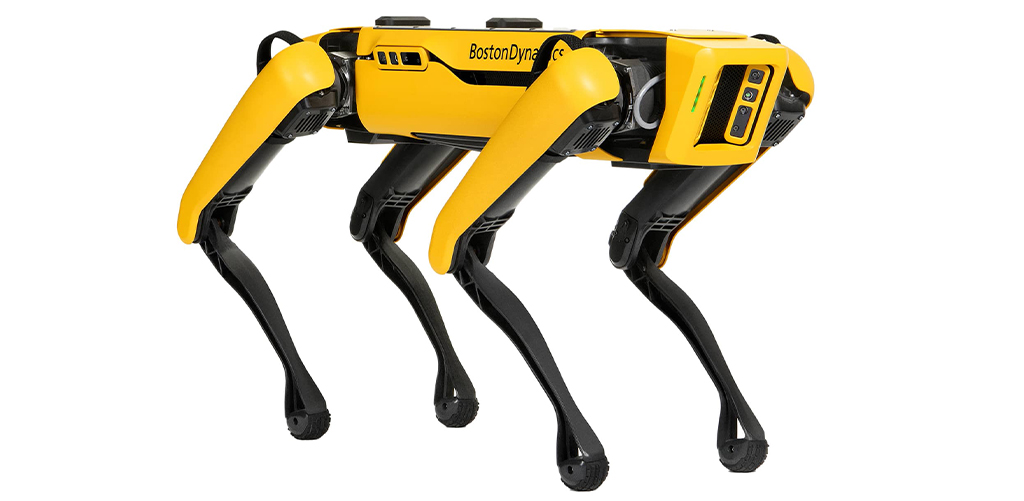
Before humans step foot on Mars, robots will be the first builders. Boston Dynamics’ Spot the Robot is already assisting in space research. Future AI-driven robots could construct habitats before astronauts arrive, making colonization safer and more efficient.
JD Institute emphasizes design thinking, knowledge and learning of AI integration in design, and futuristic problem-solving. Students engage in interdisciplinary learning, blending technology with creativity to prepare for careers that extend beyond traditional architecture.
Designing habitats on Mars is advancing fast, but challenges still exist—how to generate reliable energy, support mental health in isolation, and build structures strong enough to withstand dust storms. However, if history has shown us anything, it’s that human creativity always finds a way.
Today’s space architects are laying the foundation for future generations to live on Mars. For aspiring designers, the challenge isn’t just about building structures—it’s about crafting a future where humans can thrive beyond Earth.
The cosmos is waiting for visionaries who can merge technology with creativity. At JD Institute of Fashion Technology, students don’t just learn design; they learn to innovate, problem-solve, and push boundaries. If the idea of designing for Mars excites you, perhaps it’s time to take the first step—right here on Earth.
After all, the future isn’t built in space—it starts with a single idea, right here, right now.
 Design Blogs
 Watch on youtube


 Downloads

Copyright © 2025 JD Institute of Fashion. All Right Reserved
Designed by




 Quick Menu