


“Buy less, choose well, make it last.” – Vivienne Westwood
Fashion is a powerful industry that shapes cultures, identities, and economies. But today, it stands at a crossroads. On one side, fast fashion offers trendy, affordable clothing at lightning speed. On the other hand, slow fashion focuses on sustainability, craftsmanship, and ethical values.
As a new designer, this presents a dilemma: Should you prioritize affordability or ethics? Mass production or conscious creation? Understanding these choices is key to building a successful and responsible fashion brand. At JD Institute of Fashion Technology, students in the Fashion Design course learn to navigate these industry shifts with knowledge, creativity, and sustainability-driven innovation.
Fast fashion refers to the rapid production of clothing inspired by high-fashion trends but sold at low prices. Brands like Zara, H&M, and Shein have built empires by delivering new collections almost every week.
Why is Fast Fashion So Popular?
Example: Zara’s “instant fashion” model allows them to bring runway-inspired pieces to stores within two weeks. This speed keeps customers hooked but contributes to excessive waste.

At JD Institute of Fashion Technology, students are encouraged to study the mechanics of the Fashion Design world—how it operates, what drives its demand, and the impact it has on global supply chains. This understanding is essential, whether you choose to participate in fast fashion or find ways to make it more sustainable.
Slow fashion is the antithesis of fast fashion. It focuses on mindful production, sustainable materials, and ethical labor practices. Unlike fast fashion, slow fashion encourages quality over quantity, promoting designs that last for years rather than weeks.
Example: Stella McCartney is a leader in sustainable fashion, consistently using eco-friendly materials and avoiding leather or fur in her designs. Similarly, Patagonia’s Worn Wear initiative encourages customers to repair and reuse old clothing rather than buying new pieces.
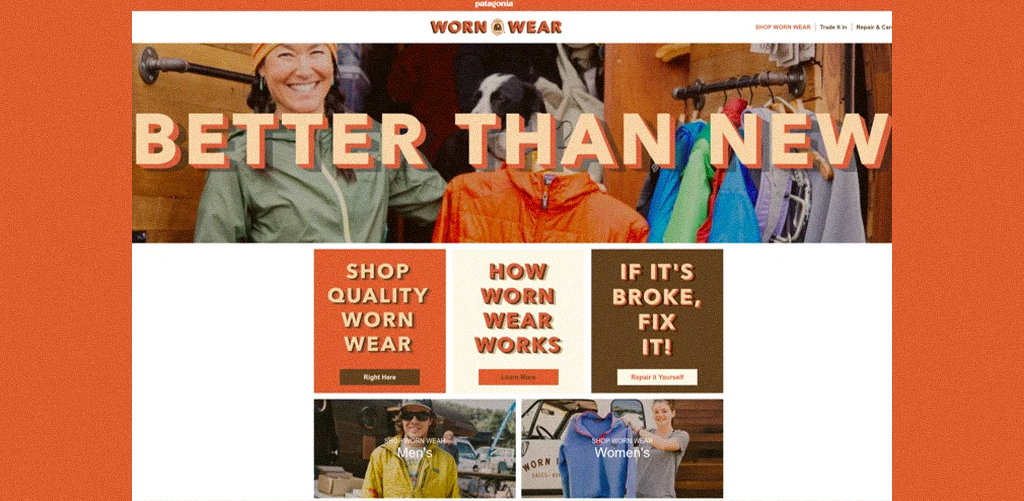
At JD Institute, students explore ways to integrate sustainability into their collections, learning how to source ethical fabrics, reduce production waste, and implement responsible design practices. This knowledge allows emerging designers to innovate within the slow fashion movement while maintaining commercial viability.
The challenge for new designers is finding a middle ground between the fast-paced world of trends and the principles of sustainability. Many brands are now adopting “conscious collections”—offering trendy designs but with ethical production processes.
Example: Levi’s Water<Less™ initiative reduces water usage in denim production, proving that a mass-market brand can adopt sustainable practices without sacrificing style or affordability.
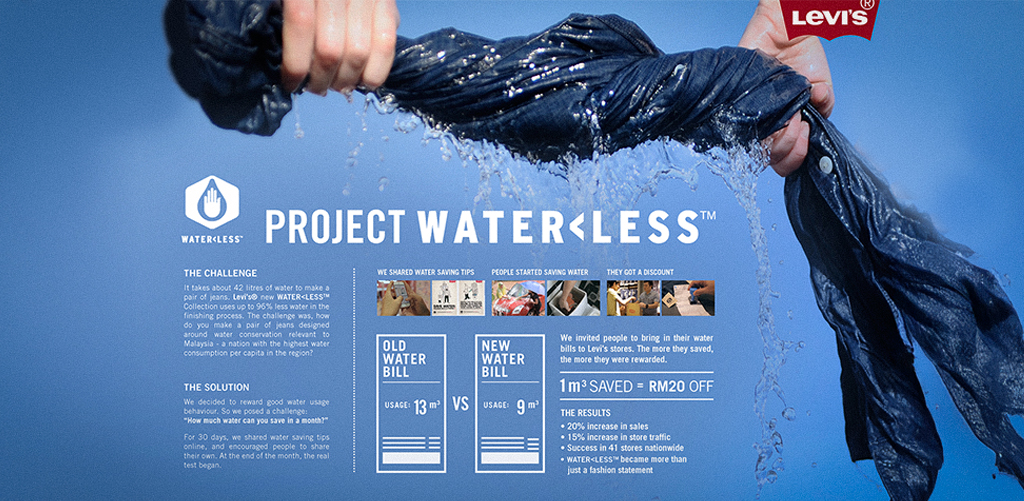
By experimenting with both fast and slow fashion elements, aspiring Fashion Designers can develop their own design philosophy—one that balances commercial success with ethical consciousness.
As consumers become more aware of fashion’s environmental and ethical impact, the demand for responsible design is growing. The future belongs to those who can create with both creativity and conscience. Whether you choose the speed of fast fashion or the depth of slow fashion, the key is to stay informed and adaptable.
At JD Institute of Fashion Technology, the next generation of designers is trained to think beyond aesthetics. They learn to innovate, lead, and redefine fashion in a way that meets both market demands and global sustainability goals. Your journey as a designer is not just about following trends—it’s about shaping them for a better tomorrow.
Are you ready to make an impact? Step into the world of Fashion Design with JD Institute, where creativity meets responsibility.
 Design Blogs
 Watch on youtube


 Downloads

Copyright © 2025 JD Institute of Fashion. All Right Reserved
Designed by




 Quick Menu