


Ever walked into a museum just to take a quick look but found yourself lingering for hours? What if we told you that the Mona Lisa’s gaze isn’t the only thing keeping you hooked? The magic lies in the curation—a craft borrowed straight from retail’s playbook. Museums are the ultimate masters of Visual Merchandising, strategically designing spaces to hold your attention, evoke emotions, and create an immersive experience.
At JD Institute of Fashion Technology, the Visual Merchandising course helps students decode these techniques, opening doors to careers that blend art, psychology, and business. Let’s explore how museums worldwide use visual merchandising to make you stay longer—and what future professionals can learn from them.
Ever noticed how flagship stores like Apple or Louis Vuitton design their entrances to captivate you instantly? Museums do the same. The Louvre’s glass pyramid entrance in Paris is not just an architectural marvel but a strategic gateway that builds anticipation. Similarly, The Natural History Museum in London uses high ceilings and grand staircases to instill a sense of wonder, compelling visitors to explore further.
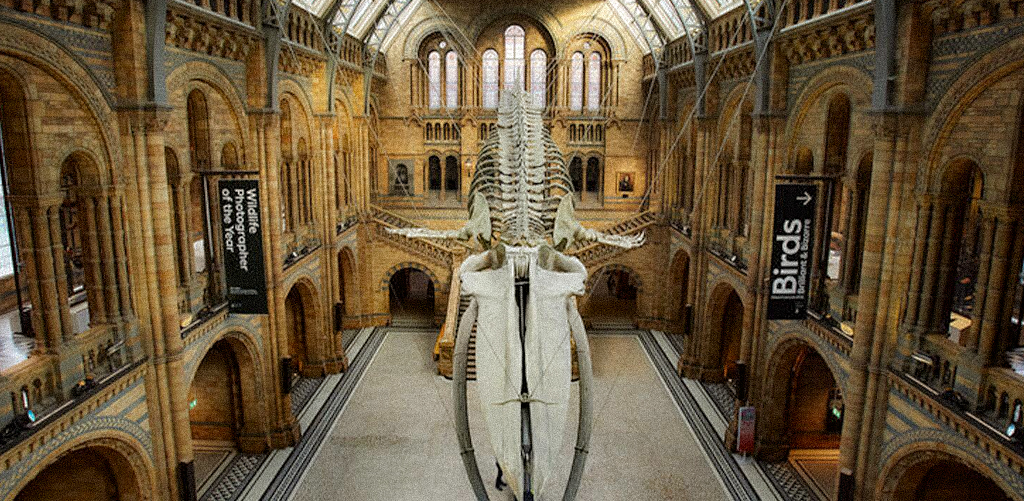
The lesson? The first few seconds matter. Whether in retail or museums, the entrance sets the tone, drawing visitors deeper into the experience.
Retail stores use strategic layouts like the “loop” or “grid” to guide customers effortlessly. Museums adopt a similar technique, curating a journey rather than a random display. The Guggenheim Museum in New York, designed by Frank Lloyd Wright, follows a spiral design that subtly nudges visitors through exhibits without feeling forced. The Van Gogh Museum in Amsterdam arranges paintings in a chronological narrative, keeping visitors engaged as they follow the artist’s evolution.
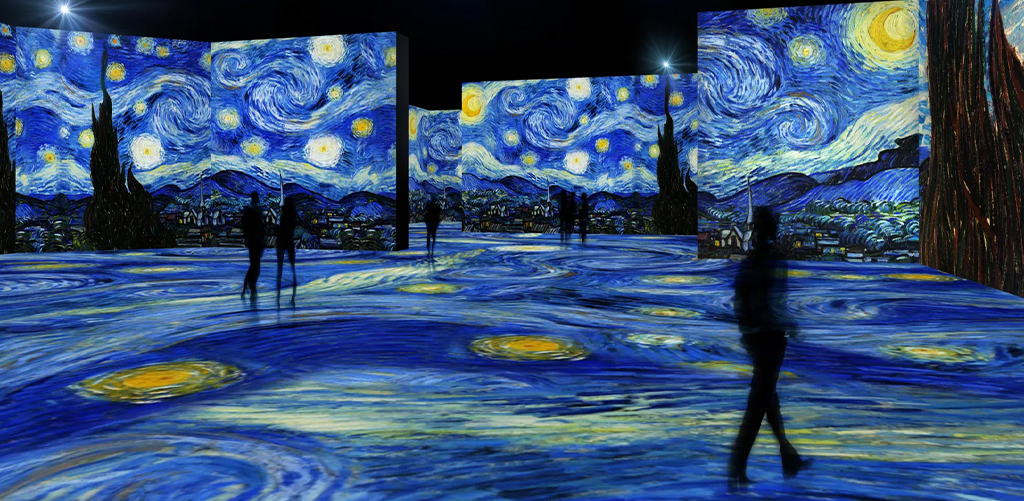
This technique is crucial in visual merchandising—guiding customers through a carefully crafted story, ensuring they experience the brand in its entirety.
Why do diamonds sparkle more under certain lights? Retailers use focused lighting to make products irresistible, and museums apply the same trick. The Smithsonian’s National Gallery in Washington D.C. uses warm spotlighting to highlight key paintings, drawing the eye instantly. The Egyptian Museum in Cairo strategically dims surrounding areas while illuminating artifacts like King Tut’s mask, making it the undeniable center of attention.
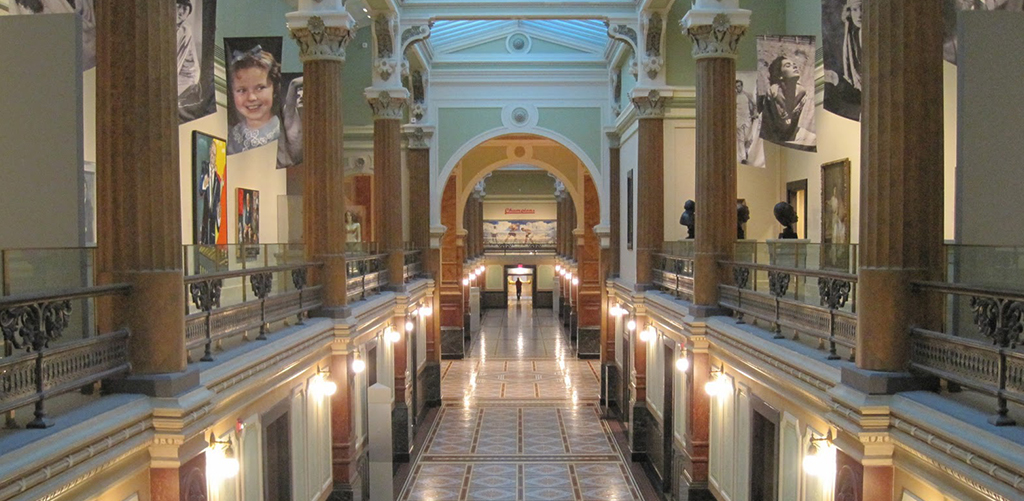
Proper lighting enhances not just visibility but emotional impact, making objects feel exclusive and powerful—just like an expertly curated retail display.
In retail, interactive mirrors and AR fitting rooms are revolutionizing how customers engage with products. Museums, too, integrate interactivity to keep visitors invested. The Museum of Ice Cream in New York transforms its exhibits into an Instagrammable playground, while The Science Museum in London allows hands-on experiments, turning passive observation into an engaging experience.
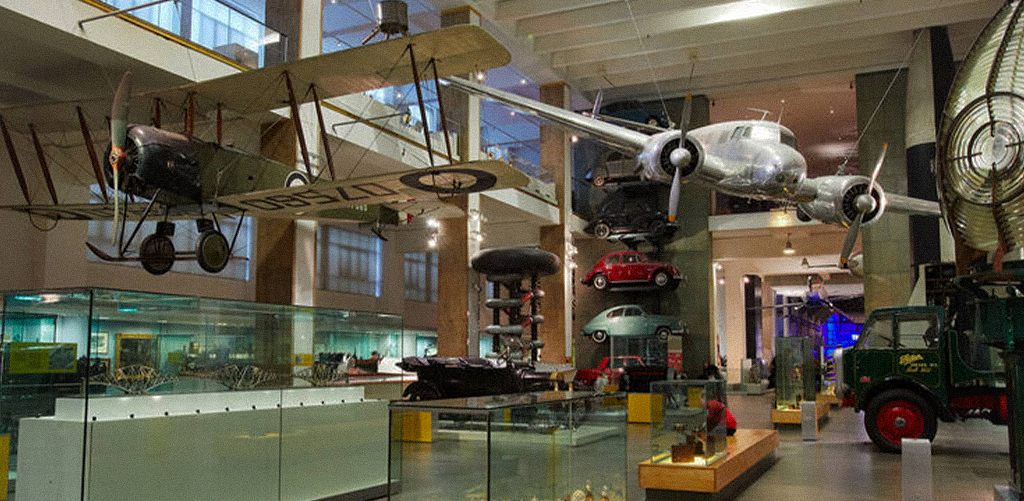
The Visual Merchandising course at JD Institute teaches students how to design engaging, interactive spaces that make audiences feel like active participants rather than passive spectators.
Just like brands use colors to evoke emotions—think Tiffany’s blue or McDonald’s red—museums carefully choose hues to influence mood. The Museum of Modern Art (MoMA) in New York uses neutral backgrounds to let bold contemporary artworks stand out. In contrast, The Victoria and Albert Museum in London plays with deep, rich colors to create a regal atmosphere for historical pieces.
Students in the Visual Merchandising course at our institute learn how color psychology influences consumer behavior, helping them create visually appealing and emotionally engaging retail and exhibition spaces.
Museums aren’t just about art—they are living, breathing case studies of visual merchandising in action. From strategic layouts to lighting, interactivity to color psychology, they demonstrate how space, design, and storytelling can shape human behavior.
At JD Institute, students in the Visual Merchandising course don’t just learn about arranging displays; they master the psychology behind captivating spaces.
Are you ready to craft moments that make people stay, feel, and remember?
 Design Blogs
 Watch on youtube


 Downloads

Copyright © 2025 JD Institute of Fashion. All Right Reserved
Designed by




 Quick Menu