

Apply Now

Author Archive

The Basic Difference Between Fashion Jewellery and Fine Jewellery

Friday, March 19th, 2021

The basic difference between fashion jewelry and fine jewellery comes down to the kind of materials used to make Jewellery. One needs to figure out the quality and material of the gemstones or metals to determine whether it is considered to be a piece of fashion jewellery or a fine jewellery. Here, we will walk you through the definition set by the experts regarding the quality and material of fashion jewellery or fine jewellery. This is to ensure that you are mindful of buying the right quality of jewelry when shopping for new additions to your jewelry collection.

Fashion Jewellery

Fashion jewellery which is also known as costume jewellery is usually made with simulated stones and base metals. These stone fragments are commonly made of copper, brass, or aluminum, which are prone to bending and tarnishing. Jewellery that is made entirely out of textiles, leather, base metal alloys, or even metals plated with gold or silver also falls under the fashion jewellery category. Simulated stones include Swarovski crystals, cubic zirconia, and plastic stones. 

Some jewellery enthusiasts will also insist upon a middle category that is being called semi-fine. This category of jewellery is usually jewellery that is made with gold vermeil or is gold-filled. “Semi-fine” jewellery is also made of real gemstones like morganite and opals that are much more affordable than precious metals. These real gemstones material are treated with chemicals or heat in a lab in order to appear more flawless and clearer while jewelry making. 

The “semi-fine” jewellery category is probably more useful for the jewellery makers in order to compartmentalize their jewellery more accurately. Because of the use of base metals in the jewellery, “semi-fine” jewellery is still considered fashion jewellery in the eyes of an expert jewellery maker. Obviously, the materials are the deciding factor behind whether the jewellery is considered being fashion jewellery or fine jewellery.  

The fashion jewellery do not have much of a shelf life as fashion jewelry is made up of materials that are prone to tarnishing or cracking. Furthermore, they are difficult to repair after they have been broken because the amount of heat needed to weld the brass or copper parts back together will literally blacken the gold or silver plating. Luckily, fashion jewelry comes at a much lower price than fine jewelry does. Thus, making it extremely affordable. 

Pros and Cons of Fashion Jewellery

Pros: 

  • The fashion jewellery is priced cheaply because it is typically made up of inexpensive materials. 
  • One can choose from an endless variety of fashion jewellery to wear. 
  • They are beautiful jewellery pieces that you can get at a small fraction of the price. 
  • They are common jewellery in society which means they can fit into anyone’s budget. 
  • They tend to last longer when they are plated with precious metals. 

Cons: 

  • They mostly don’t last long. 
  • They wear off eventually. 

Fine Jewellery: 

Fine jewellery is the jewellery made up of solid gold, platinum, sterling silver or other precious metals. This kind of jewellery also often uses some genuine precious gemstones like rubies, real diamonds, sapphires etc. Fine jewellery is so much stronger than fashion jewellery and it doesn’t tarnish with proper care and storage because fine jewellery is entirely made of solid precious metals and precious gemstones. In addition to this, fine jewellery that is broken can be easily repaired. Fine jewellery is slightly more expensive than fashion jewellery but it is totally worth the cost because of its longevity. 

Pros and Cons of Fine Jewellery

Pros: 

  • Fine jewelry is worth an investment.
  • They are mostly long lasting because of the materials they are made up of.
  • Fine jewellery are considered to give someone status in society.
  • They are mostly not mass produced, so you tend to get one of a kind jewellery. 

Cons: 

  • They are mostly expensive and out of reach of many people’s budget. 

Read on for More on the Distinction Between Fashion Jewellery and Fine Jewellery

  • The basic difference between them both is that fine jewelry such as your gold statement necklaces or diamond earrings is more valuable, simply because of the price and worth of the diamonds and gold used. On the other hand, fashion jewellery is made up of lesser quality material or metal. Sometimes, the fashion jewellery is even made up of gold or silver plating. Even though some gemstones are used as embellishments, the fact remains the same that this kind of jewellery is called costume jewellery or fashion jewelry. 
  • In some cases, the fashion jewelry may have genuine gold or silver platings but still have artificial stones set on them. Even though the jewellery has real gold involved in it, it is still considered to be costume jewellery because of its artificial stones. 
  • One of the major differences between fashion jewellery and fine jewelry lies in the cost of them. If you go to any of the diamond jewellery shops, or even a small silver or gold shop, you will notice that the cost of fashion and fine jewellery is vastly different.
  • Fine jewellery is durable and has even become antique or vintage jewellery over the decades. On the other hand, fashion jewelry is something you don’t think about too much. Fine jewellery is usually forever while fashion jewellery is more of a fancy addition to your jewellery collection. 
  • You could wear your fashion jewellery with your daily wear to work or to some less formal events or a night out with your friends and family. On the other hand, fine jewellery is exceptionally special and you would wear it only on some special occasions like an engagement or an anniversary or a wedding. If you are interested in buying any of the fine jewellery, you should visit a jewellery store near you and buy jewellery that you will cherish for a lifetime. 
  • Fine jewellery always comes with certifications from a world-renowned lab. You can acquire a top-quality necklace or even a pair of earrings when you ensure that the precious metals used are certified by a leading lab. On the other hand, there is no such guarantee involved in fashion jewellery. If you have a piece of gold or a diamond jewellery tarnished or broken, you could always get it fixed. But the chances of getting a fashion jewellery fixed is very few.

These were some of the prominent differences between fashion jewellery and fine jewellery. Before buying jewellery next time, keep in mind the above-given information. This insight would surely help you in making the right choice for your jewellery collection. 

How Can JD Institute Help You with Jewellery Designing? 

We at JD Institute offer diploma courses in fine jewelry design. We make sure you learn the ropes of jewellery designing by taking a jewellery design course. Diploma in fine jewellery design has a lot to offer in terms of not just skills but also great career opportunities.

You can be a great jewellery designer after pursuing a course in fine jewellery design. The curriculum at JD Institute is designed in a way that offers you a handful of industry insights that will help you in the long run.
Resume Building Tips that Will Get You Job

Friday, March 19th, 2021

A resume plays an essential role in the hiring process in any company. Employers use resumes to assess the applicant’s past performance and achievements that make him a good fit for the job. Your resume should describe your experiences and accomplishments in your relevant field of expertise. A well-written resume will increase your chances of getting a job. So it is crucial to write a descriptive resume elucidating all your professional experiences, skills, and educational qualifications. 

There are various styles of writing a resume based on the different kinds of jobs you’re applying to. A solid resume will help you stand out from the crowd. Here are a few resume building tips that will help you write a great resume: 

  • Your resume should be brief and to the point: The resume should not be more than two pages. Your resume should not be generic but should include all the Specific details about your academic and professional life. Your resume should be focused on the specific job you’re applying for. It would be best if you used clear and understandable language. One way to shorten your resume is to include only the most recent and relevant experiences strictly. The recruiters of top companies worldwide may get hundreds and thousands of resumes on a day-to-day basis. They might not go beyond the first or second page of your resume if it is too long. 
  • Include only the most important sections in your resume: there is no specific way or format to write a resume. You are the best judge of your experiences and accomplishments, so you are free to prepare a resume of your choice. The key section that every resume must include are: 

Educational background

A section of your resume must be solely dedicated to your academic qualifications. Discuss your past academic history along with the significant accomplishments relevant to the job you are applying for. Also, talk about the skills that you possess, which sets you apart from other candidates. You must be as specific as possible, write the details about The high school or university you attended, the degrees you have earned, and the period of attendance. This section should also include the training and seminars you’ve completed.

 Professional Experience

Your previous work experience and accomplishments must be included in this section. State your job title and designation with a period of employment, name of the company. Write about the duties and responsibilities of the positions you have held.

Skills

Write about any additional skills and qualifications that you have earned during your past professional experiences. Split this section into two halves: soft skills and hard skills 

Use a Readable Font

The employer will have a short amount of time to assess your resume, so make sure that your resume as clear and readable as possible. Choosing a professional and easy-to-read font is very important. You should use basic professional fonts like Arial, Times New Roman, or Calibri with a font size between 10 to 14 points. 

 Make sure your resume doesn’t have too much useless white blank space. Make your resume focused and concise. Write your most important skills and accomplishments in the form of pointers to attract the reader’s attention.

 Use Active Speech of Language

The applicants are advised not to write irrelevant information. Use highly effective words like accomplished, achieved, earned, etc. to catch the reader’s attention. Try to make your sentences more concise and easy to read. Using active language will help you shorten the resume and make it look more professional

 State the facts and figures: one great way to impress the recruiters is by stating specific facts, figures and numbers relevant to your accomplishments. Just don’t bluff or add fake numbers just for the sake of making your resume more attractive.

Get Help from Professionals

Many applicants pay resume writers to prepare their resumes for them. These professionals have high expertise in the field and can help you highlight significant accomplishments and even remove unnecessary parts. The decision of letting a professional resume writer to prepare your resume has its own pros and cons. Even after getting the services of resume writers, make sure that you proofread them again and again. 

 Keep Updating

A resume must contain all your recent and relevant experiences and achievements. So it is essential to keep your resume updated. If you are applying for different jobs or taking different training, this is important for you to regularly review your resume.

Pay Attention on Margins

Appropriate margins are significant to make your resume look more presentable and professional. You should use a 1-inch margin size on all sides of your resume. Make your lines spaced by 1.15 or 1.5 to avoid blank white spaces. 

 Focus on Your Cover Letter

The cover letter is the first thing that a recruiter or employer will see when checking out your resume. What is written in your cover letter will express your interest in the job opportunity. In the cover letter, you must discuss the position you are applying for and why you are interested in it.

Edit and Proofread

Your resume should be free from grammatical and punctuation errors as the recruiters consider them essential while reviewing your resume. Be vigilant of the mistakes in your resume. Proofread from a professional before final submission. Follow these interview and resume-building tips, and it will help you get more callbacks for interviews and job offers. Also, check out some resume writing examples, samples, and tips by JD Institute of fashion technology that will help you advance your career.

9 Incredible Techniques for Jewellery Making

Thursday, March 18th, 2021

Jewellery trends are something that comes and go but the thing that remains constant is the love of people towards these never fades out. We have listed below nine major jewellery making techniques that a buyer must know in order to get an in-depth knowledge of the area and to keep in mind the pros and cons of every technique while purchasing jewellery made from them.

1.  Mokume Gane

Mokume Gane is the type of jewellery making technique that takes into account wood-like patterns that are made with the help of hammer and chisel only. It finds its origin from Japan but today you can see this technique being followed in every country.

This technique involves creating layers of contrasting coloured metal alloys like copper, silver, and gold that are mixed together for beautiful designs and patterns. Now, after the layer is formed, the blocks that are created are flattened with the help of hammers and casted into various shapes.

JD Institute offers this jewellery design course to its students so that they get an intrinsic knowledge of this jewellery design.

2.  Dichroic Glass

Dichroic Glass jewellery making technique uses colourful methods to create beautiful and fascinating jewelleries. Though it is a very simple technique of making jewellery but the optical effect of it is worth talking about.

The glass that is used for making jewellery is coated with vaporised quartz, glass and metal oxides like titanium, aluminium, and magnesium accompanied by creating beautiful designs with the help of an electron beam gun. Thus, this method serves as one of the best methods to create intricate designs that look mesmerising.

3.  The Mystery Set

Now, the mystery setting technique is the finest method of creating beautiful jewelleries. If you see yourself as the best jewellery designer, your motive should be to learn this technique by choosing jewellery design career from none other than the best fashion institute i.e. JD Institute.

In this technique, stones are coloured matched with stones that are of same colour and they are then fit perfectly into each other. All the stones are lined up against each other and then grooves of metal are created which helps in making the ornaments look beautiful and aesthetic.

4.  Victorian Hair Jewellery

This is another jewellery design that various jewellery design institutes such as JD institute offers to students. These jewelleries are better known during the reign of Queen Victoria. Though the technique and practice have long since waned in popularity, it is still possible to uncover human hair wreaths and jewellery in antique stores and attics.

This is one of the best jewellery making techniques that an aspiring jewellery student must look for and learn each and every aspect of it.

5. Portrait Miniature

The portrait miniature technique is made with the help of miniatures that developed over centuries with the help of watercolour on vellum, which are then attached to the playing cards used by people. Further, you need to know that Italians and Germans were the ones who preferred oil paints on copper and thus copper became the metal to be used for creating this technique. The paint brushes that were used in this technique have hair attached to the feathers so that a beautiful finish can be seen on the jewellery.

6. Enameling

JD Institute offers yet another type of jewellery design course that help students learn this beautiful jewellery making design i.e. Enameling. The origin of this technique can be found in 13Th century BC on the islands of Cyprus. Originally, metals that were used were Gold, Silver, Bronze, Iron that were coated with the porcelain enamel, but now you can use other types of metal too. These beautiful enamelling techniques produce an intrinsic design and patterns that can be seen on the jewellery are worth talking about.

7.  Venetian Glass Jewellery

Another type of jewellery making technique is the Venetian Glass jewellery.Venetian glass (Italian: vetro veneziano) has been produced on the Venetian island of Murano since the 13th century, and it is believed to have been made for over 1,500 years.

This type of jewellery making technique is also offered to the students of the JD Institute.

Now, since Jewellery design is something that requires hard work and commitment, you need to make sure that you learn each and every detail at par with those of professionals and for this the best place to study at JD Institute.

8.  Filigree

It’s usually made of gold or silver, with small beads or twisted threads, or both, soldered together or to the surface of an object made of the same metal, and arranged in artistic motifs. This jewellery design is a form of intricate metal work thus, looks very mesmerising and beautiful.

For this, you need to make sure that the jewellery is shaped properly without any disturbances or any lack of attention from your side.

9.  Intaglio and Cameo

Cameo is a method of carving an object such as an engraved gem, item of jewellery or vessel. It nearly always features a raised (positive) relief image; contrast with intaglio, which has a negative image. The kinds of designs that are created out of it are just mesmerising and elegant and are worth buying. This type of jewellery design is the best method of making jewelleries and takes into account intricate designs. JD institute takes into account all these jewellery designs and offers the same to the students.

Conclusion

So, you see that there are only nine main categories of jewellery designs that you must take into account if you are aspiring to become the best jewellery designer. Further, to make your choice clearer, JD Institute is the best platform to offer you all the listed jewellery designs techniques with full certainty. Thus, to have in-depth expertise and knowledge in the field of Jewellery design, your option should be to choose JD Institute as your first preference. 

What are the Types of Handmade Jewellery

Thursday, March 18th, 2021

Nowadays, many consumers are looking forward to choosing handmade jewellery over mass-produced Jewellery. But what really is handmade jewelry and why it is becoming so popular is an answer still untold. If you are looking for an answer, then you are at the right place. There are many different Jewellery making techniques in use today. All of them have their pros and cons. Taking into consideration handmade jewellery, we will discuss all the different types of handmade jewelry here.

What is Handmade Jewellery?

Handmade jewellery is a type of jewelry that is made by an artist without the use of any mass-manufacturing machines. There is no fixed look at how handmade jewelry should look like. It can range from simple hand-made pendants to jewellery made of intricate designs that take several days and skilled techniques to finish. All handmade jewellery certainly has one thing in common. It is that all the handmade jewelry is simply made by the hands of an artist with the help of very basic tools. 

Why Choose Handmade Jewellery?

When you choose to buy a piece of handmade jewellery, you are basically going to get a unique design every time you buy something. This is because there is always something new that handmade jewellery has to offer. There is always little variation between the style of an individual making handmade jewellery due to the sole nature of hand-making anything. There can be the slightest of imperfections in the design cuts but each handmade jewellery that you buy is not only the artistic reflection of the artist but also has a hidden story of the artist that you are buying from. 

When you buy handmade jewelry, you are helping small business owners to grow and pursue their passion. Some of these handmade jewelry businesses are as small as stay-at-home businesses. Most of them are small business owners that are superly active in their local community. They also often source their raw materials and stones from other small businesses. If you buy from these small businesses, you are in a way supporting the small businesses that are also shaping the economy. 

Handmade jewelry artists are also more inclined towards using ethically-sourced materials. Therefore, small handmade jewelry businesses are usually a great source for anyone who is looking for ethical and sustainable jewellery. These businesses mostly tend to source their materials from companies that have a reputation for recycling scrap metal. This ensures extreme authenticity and sustainability in the handmade jewellery that is being made by the artist.

Types of Handmade Jewellery: 

  • Assembled Jewellery Making:

The simplest type of handmade jewellery is known as hand-assembled jewellery. Hand-assembled jewellery is one of the greatest ways to offer unique and personalized jewellery to the customer at an affordable price. This type of jewellery making usually involves creating earrings, necklaces, and bracelets from pre-made chains and jewellery findings. It is the perfect way to get started with handmade jewellery making as this technique is an easy way to learn handmade jewellery making that will take only a few days.

  • Wire Wrapped Jewellery: 

Handmade wire-wrapped Jewellery is easy to spot as it uses a lot of wire. Most jewellers use wire wrapping in order to create charms and pendants with various stones and beads. In simpler words, wire-wrapped jewellery is a decorative frame that is embellished with other ornaments that are attached to the coils of wrapped wire. One can even witness some wire wrapping experts come up with intricate and delicate wire-wrapped jewellery designs. Wire wrapping is a handmade jewellery technique that takes a long time and practice to master. 

  • Fabricated Jewellery: 

Handmade fabricated jewelry covers a wide variety of jewellery styles that ranges from traditional gemstone rings to extensively creative art jewellery. Fabricated jewelry basically requires metalsmithing techniques and jewellery bench skills. Jewelers use a metal saw in order to cut out the basic shape of a jewellery piece or to cut some intricate details in the piece. Many jewellers also use soldering techniques to attach different components of a jewelry piece to each other. Fabrication handmade jewellery technique takes some time and dedication to learn. Once a jeweler gets a hang of how it is done, then they are able to manipulate the metal in a wide variety of ways.

  • Beaded Jewellery: 

Handmade beaded jewelry can be some of the simplest or most intricate Jewellery designs depending upon the beads you use. Jewellers can use beads on a single strand of a stringing material to create any kind of bracelets and necklaces. Letters or numbers for personalization, fun-shaped beads to show off artistic interests or a big statement bead with smaller ones framing it are all possibilities. However, with quite a few practices even a small bead jewellery maker can create larger and more intricate designs for beaded jewelry. 

  • Enameled Jewellery: 

Handmade enameled jewelry is one of the greatest ways to add various pops of color to your metal jewellery pieces. Enameling is a technique that is basically done for fusing glass powder to the surface of metals to create a permanent bond. There are various ways by which one can add enamel to handmade jewellery. One such way is torch-firing which is the most popular technique. Because you can easily heat up the enamel on your metal with your soldering torch, this is considered the most basic and inexpensive enameling method. A kiln is required for most enameling techniques, as it heats the jewellery piece more slowly than a soldering torch.

These were some of the types of handmade jewelry you should definitely try. If you are one who is ready to start your own jewelry-making business, you can definitely take a jewellery design diploma course from JD institute. We at JD institute make sure you learn the ropes of jewellery designing. It is essential to have a base before starting your journey as a handmade jewelry designer. So, what are you waiting for? Join right now.

5 Things You Need to Consider for Becoming a Successful Fashion Merchandiser

Wednesday, March 17th, 2021

One of the fundamentals of sales success or fashion retail is merchandising. Being a merchandiser, you should constantly consider different elements which affect a customer’s decision to make a purchase. Let’s look at five such elements and how merchandising applies to fashion retailers differing from other retailers:

  • The Decompression Zone

The area which is at the front of the store which is used to attract potential customers or provide a space where they can familiarise themselves with the store is known as a decompression zone. A customer will stay longer if he or she feels comfortable inside your store.

Among fashion retailers, the decompression zone differs when compared to general stores in which this space should reflect a large area and should be welcoming so that customers navigate easily within the store while in the case of fashion retailers, aesthetics is given special emphasis as it should attract the customer to enter the store.

In the case of a grocery retailer, they reflect a benefit that the customers visit them routinely with the intention to make a purchase while fashion retailers don’t have customers who are visiting routinely due to which the compression zone is made aesthetically pleasing as the first impression counts in their case.

As the fashion industry is changing frequently, customers want the newest items or trends of the season to be displayed due to which the decompression zone has to be checked regularly.

  • Creating a Customer Path

Creating a customer path acts as a guide for the customers across the store leading them to more merchandise. This should be done while considering the placement of merchandise or fixtures around the store.

Areas where the display is arranged, till points and fitting rooms, have a direct impact on how the shopper will navigate through the store. Hot spots should be created by placing them correctly.

Sale items or basic fashion items should be placed at the back of the store when it comes to merchandise as this will force the customers to walk through the whole store and make unplanned purchases as they see new or attracting items along with them staying for longer in your store. 

Fashion lead items are for nearly two weeks nowadays which reflects that new items arrive frequently due to which layout of the store or merchandise should be updated regularly.

  • Principles of Merchandise

Fashion purchases have a direct correlation to aesthetic appeal due to which imparting certain principles of merchandise is necessary to boost sales such as:

  • Cross Merchandising: related items should be placed together as customers are more interested in shopping the whole look and placing the items in this manner will enable the customers to see how they should be worn leading to impulse purchases
  • Visual Balance: play around with different colors and heights while creating a display wall to reflect a balance
  • Consider Seasonality: displays should be created according to the latest trends and the current season
  • The Arrival of New Stock: As fashion cycles are short frequent planning with regards to ew merchandise has to be made as they should be placed in the correct areas of the store
  • Merchandise Based on the Nature of the Product: when talking about fashion merchandise, the display of the items should be according to the display of a product
  • Take Consumer Decision Tree into Consideration: take into consideration if the customers are shopping according to size, color, or brand. It is important to keep all the sizes in one place to avoid the frustration of the customers. Colors can be grouped as most of the customers’ shop accordion to the colors as they know what color will look good on them
  • Create a Multi-Sensory Experience

Customers are most likely to remember a store according to a combination of sensory experience which was offered. However, it differs majorly from a general merchandise retailer: 

-sight: One of the most important factors to consider while merchandising fashion items is focus on display and signage as people tend to have the best memory of what makes sight

-smell: As smell is linked to our memory and emotion it can increase brand connection. The amount of time a customer spends in the store or the impression that is created on the customer is dependent on the way a store smells.

– hearing: The music you play reflects a subtle effect on how your customer will behave

-touch: customer wants to feel the fabric due to which this is one of the major elements due to which shoppers prefer visiting the store than online shopping

  • In-store Signage

One of the most frustrating things for a customer is not being able to move within the store. When focusing on in-store signage always remember that it has to fulfill a dual purpose of providing information and contributing to the image of the brand.

In-store signage can affect or boost sales majorly and can affect how merchandise is viewed by the customer

If you are someone who is interested in the fashion business or fashion business management, education from a good institution is important. JD Institute Of Fashion Technology is one of the best institutes providing fashion business courses like fashion business management course etc with each course being industry-based so that its students can stand apart from the crowd by being ready for the real world beforehand through an international exchange program or learning from the industry experts etc. JD Institute shares a vision of providing the best infrastructure, cutting-edge technology, resource library, etc so that no external barrier can stop the students to achieve their dreams or restrict them from standing shoulder to shoulder with the leaders of the industry they wish to enter. 

Due to their exemplary contribution to education and record-breaking placement of 99%, JD Institute has been awarded various tokens of recognition such as the Time’s power icon award. International glory award, leaders in education award, and many more. The candidates are selected through GAT or general aptitude test just to test the creative or art skills of the students. The right opportunity is waiting for you, enroll now!

Top 10 Things You Must Know Before Starting A Fashion Business

Wednesday, March 17th, 2021

For sitting in a safe as houses job with glittering dreams of starting your own business or fast-paced career in the fashion industry, life is too short. Stability and routine are essential in life but stepping out of the comfort zone for starting something of your own is exhilarating. Don’t fantasize about all things fancy as it is going to take a lot of hard work, ups and downs or lessons to be learned but it will be worth it. Some things which you need to consider before starting a fashion business are:

  • Know Your Niche

If you possess a sketch or idea and are already selling your product on a small scale but want to focus it full time now, great! But before dreaming of big celebrities wearing your designs, knowing your niche is significant. If you have experience making leather bags, concentrate on mastering the art of the tote bag.

Don’t think that an extensive product line is important to be successful, don’t try making apparels you have not made before as in the initial days you will not have even a spare minute let alone time for learning something new. Always remember that you are more likely to succeed with one extraordinary design than multiple designs which have been cobbled at the last minute with your last dollar.

  • Choose Your Target Audience

Not taking out the time to know your customer is the foremost mistake that fashion start-ups make due to which most of them fail. Know the choices of your customer, where do they hang out? What is their social calendar? etc . to get into the customer’s head, run surveys or focus groups to ensure that your product is matched with the right audience. Don’t try to sell one product to every section of the population reflecting age gap or different needs and functional requirements. If you don’t know who you are walking into, marketing activity is a waste. Let’s break it down with an example: if college students are your primary customers, place an advertisement in the college newspaper. In a similar way, you can use different copyright strategies and graphic designs in situations when you want to attract young people

  • Budget for a Rainy Day

What you need to ask yourself is can you afford each element of your business to work smoothly? One of the major issues is lack of ready money which leads to small businesses folding before they realize their full commercial potential. A realistic idea when it comes to finances, and the amount needed to start up a company should be known. 

Money might not roll out instantly, it may take some time for your company to start earning and even more time to attain profits out of them. Some funds should always be kept aside to meet any unforeseen circumstances such as large orders that need to be funded upfront etc

  • The Price is Right

Make sure the pricing of your design is right to make your fashion startup profitable. You can only earn a profit if you generate more revenue than your fixed expenditure.

One time expenses on fixed items are done in the early days such as office furniture however other expenditure which has to made regularly like salary payments should be kept in mind while determining the cost of the design

  • Logo Loving

While designing a logo there is a lot of pressure to nail your branding. People will judge your brand by just seeing your logo due to which special emphasis should be given on it. People usually react emotionally to colors, taglines, etc so gather opinions on few variations.

  • Get Online

No matter how easy it seems, having a strong social media output or great website is crucial and not so easy a task. To research trends, or gain fashion advice or indulge in shopping, etc people usually use the internet  due to which having a strong presence in the ocean of brands is essential

  • Find a Business Partner

To ensure that your business runs smoothly, find a sidekick who will be there at all ups and down or rough patches, etc in business and will help in keeping it afloat. Consider someone whom you can trust completely and try to choose someone from the fashion industry as it will work to your advantage

  • Build Your Brand

Building your brand is significant for attracting a consistent stream of customers. This might take up a lot of time and energy but will help in building a relationship between you and your customers. Engage with your customers as you do with your friends.

  • Time for Some Marketing Strategy

A strong or great marketing strategy will help you be afloat even when unexpected situations arise. The success of your business is directly proportional to how deeply you engage with your audience. 

  • Learn from Your Mistakes

No matter how much you consult or learn, you are always going to make mistakes and that’s okay till the time you learn from it quickly and continue to grow. Keep your business strategies in mind and don’t be afraid to change your direction if things are not working as you tracked.

If you are someone who can help fashion start-ups manage their business or want to get into the career of fashion business management, education is significant as there is cutthroat competition, JD Institute Of Fashion technology is one of the best institutes providing fashion business courses like fashion business management courses with each course being industry-based or reflecting the right exposure through international exchange programs or learning from industry experts, etc. it reflects a record-breaking placement of 99% with their students working for top companies and making a mark in the industry they are working in. Due to their exemplary contribution, JD Institute has received many awards, including the Times Power Icon Award, the International Glory Award, and many others. The right opportunity is waiting for you, enroll now!

How to Start Your Fashion Business

Tuesday, March 16th, 2021

Want to start your fashion business but are clueless as to where to start from? Did fear creep in? Or simply life got in the way? Don’t worry, JD Institute has got you covered with tips and tricks to start your business in the fashion industry and be successful in it even after a cut-throat competition.

Preparation

As the fashion industry is difficult to get into, preparation is the key no matter how dull it sounds; make sure you have a strong strategy right from the start. Unless you want an investor on board or a bank loan, nothing fancy is needed, all you need is a simple document which reflects your aims, etc. things which should be considered are:

  • Problems that your brand will solve or purpose which it will fulfill
  • The business model that you want to have? How will you get your orders or would you like to sell your designs to boutiques or individual customers
  • Start marketing today itself, the moment you know which type of audience you want to sell to. Many people start it way too later, ideally, you should start the marketing for your business 6 months before you launch it.

Budgeting

Once you know what you want to achieve out of your business, outlining your budget becomes a requirement. There are numerous methods through which you can start your business but you need to pick one according to the aim and situation of your business. Even without a huge budget or lot of connections, you can start your business but with efficient planning and devoting time to it. Don’t let yourself spend more than you are comfortable with.

Organize Your Business

If you reflect efforts and have goals for your future, organization or plans and ideas to how your business should take share is significant:

  • Location: where do you plan to work, are you working from your home? And want to shift in a studio?
  • How it Works: do you want to be an online retailer or want to sell pieces on a stall for now?
  • Who’s Running Things: even if it’s just you who is managing the business for the moment, are there more people you would like to involve relying on?
  • Product Catalogue: it can be a long list of items or mastery in a single product. Be aware of the products and plan on the manufacturing, store prices, or stocks accordingly
  • Sales and Marketing: one of the most significant element is to think as to how to make a buzz around your designs or clothes
  • Insurance: you might choose to be an online retailer or sell items online directly from the sewing machine but if you are investing your time and money protecting your business from outset is necessary ideally with a tailor-made business insurance 
  • Funding: to get your business up and running, you will require guidance as to how much money you have and how much you require or how much additional support you need. From government-backed funding to crowdfunding, many methods can be chosen

Educate Yourself

If you are reading this blog, most probably you are new to this industry, and in that case, there is a lot to learn about this industry. Some things that you need to keep in mind before entering the fashion industry are:

  • Don’t underestimate the process of manufacturing as it is more complicated than it seems
  • Visit local fabric shops to learn what the customers like or don’t like as most of the new brands are vague when it comes to their fabric ideas. If you like some fabric make sure you note down the fabric weight and type which will prove to be really useful in the manufacturing or sourcing stages
  • Marketing too late is a mistake most of the new brands make, once you are sure on the idea of starting a fashion business, start your marketing right away
  • A key part of the fashion industry is sustainability and this movement is here to stay in each aspect
  • If you are someone who is interested in fashion business management or want to make a career out of managing businesses, JD Institute Of Fashion Technology is the right institute for you as it provides fashion business courses like fashion business management course etc with each course being industry-based or with exposure like learning from industry experts, international exchange programs, etc. 

JD Institute shares a vision of providing all the latest resources, cutting-edge technology, resource library, etc so that no external barrier can stop the students from achieving their dreams or stop them from standing shoulder to shoulder with the leaders of the industry they wish to enter. Due to their exemplary contribution to education, JD Institute has been awarded a various token of appreciation such as the international glory award, the time’s power icon award, leaders in education award, best vocational institute of India award, best skill learning for fashion design in India at the Indian Education awards and many more.

 JD Institute ensures that talent meets opportunity due to which they reflect a record-breaking placement of 99% with its students working for top companies like PepperFry, Sabyasachi, Tommy Hilfiger, Zara, etc and making a mark in the industry such as Shane Peacock, Rocky S, Urvashi Kaur, Maheka Mirpuri and many more. The students are selected through GAT or general aptitude test which helps the institution to understand the creative skills of the students as the abilities are assessed through different testing formats. The right opportunity is waiting for you, enroll now!

If you are really keen on starting your own fashion business, the best advice that we would like to give you is just to start. Most of people never start due to the fear of failure or lacking direction. If you follow the tips mentioned above correctly it can lead you to the top of this industry. All the best!

How Digital Marketing Brings the Changes in the Fashion Industry

Tuesday, March 16th, 2021

The fashion industry is surely undergoing large-scale changes. This is because of the direct rise in technology and its impact on consumer’s behavior. Digital transformation is a means by which the brand’s reputation can be protected in a complex and uncertain environment. Nowadays, fashion companies strategically tailor the consumer experiences and allow the customer to have a hand at them. The ultimate challenge for any fashion company is to have a digital transformation in every aspect of its organizational culture. 

Digitisation in fashion industry: 

The fashion industry drives a significant part of the global economy, be it global discount retailers or exclusive luxury brands. Fashion is one of the most challenging fields that is expected to be highly impacted by the global economic changes as well as any distinct industrial trends that take place. 

In order to sustain the pressure for growth and cost efficiency, many fashion brands have started to improve their speed to market by initiating a series of initiatives. These initiatives are drawn in order to implement sustainable innovation in the core product designs, manufacturing, and various supply chain processes.

One of the key challenges for a fashion brand is that with time they lag behind their consumers’ expectations. Nowadays, the role of the consumer has shifted from being a passive observance to an enabled dominance. They are no longer content with simply buying fashion products. Now, they are in power because of exponential digital technology growth. 

Consumers now look forward to interacting, belonging and influencing the brands from which they buy. It’s not just only about buying a fashion product, more than that it is about showing the fashion product to the public. Therefore, the vast majority of consumers use digital marketing channels before they actually buy something. One single digital search can easily influence their decision. 

How is The Industry Changing?

These changes particularly mean that becoming a digitally-savvy brand is no longer a separate entity. Instead, digitization is meant to increase the entire consumer-brand relationship. New standards of services and experiences are being set and it is essentially about moving away from being just a product brand to becoming a brand that shapes and implements consumer-centric propositions. Thus, it is advised that even the legacy businesses with analog systems should turn themselves into fashion communication by digital marketing.

Though, many brands are still trying to come around the fact of fashion communication via digital marketing. While venturing out doing new stuff, the brand heritage and identity is considered to be at stake. Given that what’s at stake, it is very essential to work delicately and smartly towards your goal. A misaligned digital offering can actually widen the digital gap and pose a severe threat to the brand’s reputation. Therefore, you always need to be ready for everything that comes on your way. 

Reputational Risk Involving Protecting the Brand in Times of Change:

It can take efforts of many years to build a successful brand name, but only a short time to destroy it. Fashion brands should always be ready to respond to any issues of uncertainty, risk, and reputation. 

In a world of increasing complexity, brands will need to maintain a balanced growth with their plans and strategies. Several factors that are contributing to this environment are: 

  • Evolving regulation
  • Social media communications
  • More consumer channels
  • Broader geographies
  • Faster risks

It is therefore essential for the companies to have an instant risk management system. Digital transformation is one of those means of a risk management system that manages the reputational risks of the company. Digital transformation for a fashion brand means re-imagining how shopping can be wisely done in a digital world and how one can efficiently attract their customers to do the same.

Digital transformation is also about challenging and changing the already existing perception about what a company is, does and says, in order to have increasing relevance to the consumers. While, the shift towards the digital presence is real and growing but still the vast majority of fashion brands are still driven by offline physical channels. It might remain extremely on the top for some fashion brands as the geographical location might be a capturing factor for them. But now, the key enabler for the success of a fashion brand is through digital presence.

What is Digital Clienteling?

Digital clienteling is all about delivering a personalized customer experience across all multiple channels in order to have improved conversion rates and revenues. There is a bulk of information stored about your consumer in the digital domain. A fashion brand can easily achieve its aimed goal by wisely using the information available to them. 

Digital Transformation – Getting it Right: 

In order to achieve digital transformation, many fashion companies take a fragmented approach. They often restrict themselves to an individual project or a program that is capable of only affecting a few people. This kind of digital transformation in fashion communication might only affect a small number of departments that would only lead to small returns. Therefore, it is essential to understand that digital transformation needs to have a wholesome impact on the consumer’s perception of the fashion brand. 

Finding the right balance between making bets and anticipated outcomes is important. The right balance between placing bets and provoking fast results with innovative ideas would build a solid ground for a digital transformation in the fashion brand. In this, the challenge is not just about the power of analytics, data managing, brand managing, reputational risk management or even bringing the digital transformation. These all ingredients have to be taken care of while aiming for good fashion communication via digital marketing. 
We at JD Institute make sure to impart better knowledge about how effective fashion communication via digital presence can be a strong asset for your fashion brand and company. We make sure you get a hang of how effectively fashion communication works and how far your brand can go with it. This has to be essentially taught so that you leave no stones unturned while you are working in the fashion industry.

SUSTAINABILITY IN DESIGN

Tuesday, March 16th, 2021

Image Source: Faionforwardtrends.com

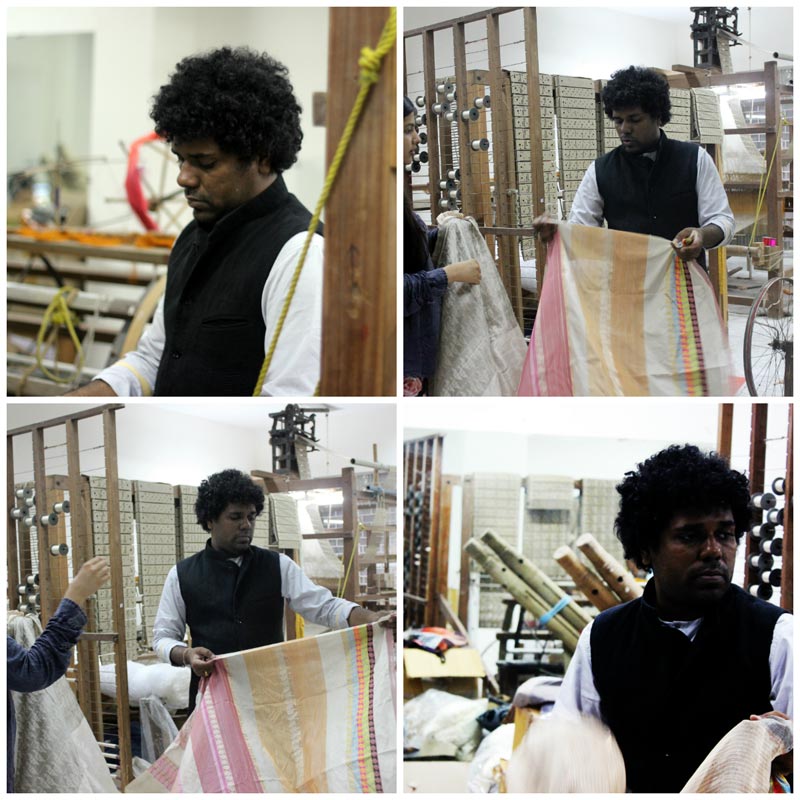
Designer Gaurav Jai Gupta (Founder, Aakaro) in conversation with Director,Ms. Akshara Dalal

“Look within, seek within”

Introduction

As part of our continuous commitments of pushing the boundaries of conventional education, making the process of learning more fulfilling, intriguing and holistic all our students, we have recently undertaken a series of web-sessions featuring prominent personalities including renowned designers, industry leaders and experts in post-pandemic world.

Webinar :Sustainability in Design

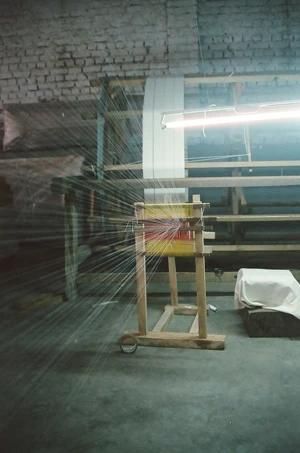
One of the most innovative personalities of the contemporary fashion world in India, designer Gaurav Jai Gupta’s foray and eventual success in the industry is rather ‘accidental’ followed by an organic journey, according to the designer himself. Armed with a strong sense of well-developed aesthetic sensibilities, an innate desire for experimentation, consistency and an unique take on use of unorthodox materials for weaving, the designer presented anunparalleled perspectivewith his creations that is rooted in tradition, yet unapologetically bold and intriguing in nature.

From the very beginning, the designer was more inclined towards the experimentations, conceptual developments,theoretical aspects and the futuristic investigations, within the paradigm of fabric design, instead of craftsmanship, and technical details like sewing. And the fact that his extended family was already associated with the fabric industry (manufacturing & Exports), further helped him explore his continuous quest of innovation using unconventional materials. It is said that when one door closes others, open up. And it wouldn’t be more appropriate in his case. Whereas lack of funding, resources can be restrictive for many of his contemporaries, he was able to use it successfully in his advantage by choosing to use materials (including wastematerials such as plastic) that were easily available but had been ignored consciously, instead of spending money on acquiring traditionally preferred materials. One of the earliest examples could be traced back to creating a fabric using the reels out of old cassettes. Naturally, for him sustainability was not a novel concept, he would associate with later on, rather it was an integral part of his core ideology and the creative process right from the beginning.

Image Source: Faionforwardtrends.com

His work has always been process-centric, based on research, characterized by trademark boldness (very often, way out of comfort zone), innovation and yet rooted in tradition with a twist.To be more specific, he favors creations that are ‘not simply Indian’, instead preference is given to designs that are authentic, intriguing, unique and relevant in our time, most importantly ‘not very safe’. Although the concept of metallic yarn was not entirely new, but in India he pioneered the technique of metallic fabric, starting with copper,derived out of electrical wires.. that became fashionable in the past couple of years.

Bullet Poimter

Speaking about engineered fabrics, he emphasized the use of bio-tech in addition to the traditional smart fabrics. He believes the sooner we adapt to the idea of technology inspired from (or based on) nature, the greater are our chances for recovering, surviving through challenges like covid-19 and others that are yet to come. Study and exploration of smart fabrics (technologies) can open many doors (including the automobile, aviation, infrastructure industries) for new graduates, which were completely closed off to design students until a few years ago. In fact, there are quite a few initiatives from the Gov. of India as well encouraging students to investigate and actively explore the exciting new world of smart fabrication.

For a post-pandemic world, though, he does not strongly believe that the market will go through a radical change and especially for his line of work, since ‘Aakaro’ has already been working with the sustainability right from the days of its inception, except for paying more attention to sustainability. And he anticipates, people will become more mindful when it comes to consumption, buying less, avoiding excess (even for designers).. there could be a potential shift towards quality over quantity, to celebrate individuality, coming out of the shadows of Bollywood.

Although his creations, as we have come to experience them, may initially appear as non-traditional, non-Indian, not aligned with the conventional motifs/ patterns that we generally associate with, he insists, quite logically, on the fact that Indian-ness doesn’t simply lie in the form of representation. Its rooted deeply into the materiality, the processes, use of tools, sourcing, ideologies and various other interpretations that go way beyond the commercially accepted, the populist culture of appearances. He values fresh ideas, inspiring and authentic work rather than depending on the heritage or revival works alone, which is predominant throughout the industry.

For him inspirations mostly come from within, derived from a place of a profound introspection influenced by contemporary events, music, movies, visuals with lasting impacts. Even external inspirations have certain ways of blending in with his inner quest. And what follows afterward is more often an amalgamation, that has its roots deeply intertwined with his core convictions, ideologies, or a specific state of mind and the thorough observations of his immediate surroundings, experiential spaces.

Image Source: Faionforwardtrends.com

For recent graduates and entrepreneurs, he has a couple of advice (that could not be more accurate, especially for a challenging time like this) including restrictions on expenses, taking it slow, exploring new ideas, introspect (now that they have the luxury of time) or perhaps taking a break, going into more research, so that when the economy finally opens up they can better position themselves to take advantage of the new opportunities. For entrepreneurs and the retail industry, he shared that the field offers a great scope of fashion designing careers.

He focused on developing entrepreneurship skills in fashion designing as through that not only will you have name, fame, and money, but also you will be adding on to the scope of fashion designing to others to work for you and inspiration to younger students to believe in their dreams.

Best Sleep Direction According to Vastu Shastra

Monday, March 15th, 2021

When it comes to having a good night’s sleep, you may already know what to do. Darkening your room with curtains, lowering the temperature, and other good practices will suffice. You may have also come across various information concerning Vastu Shastra tips that act as guiding principles on body positions while you sleep.

Vastu shastra focuses on Indian architectural balances that are based on science. In fact, we could say that Vastu Shastra is the “science of architecture.” The practice of following Vastu Shastra tips has quite a great history. The way these Vastu Shastra tips can either benefit or damage your health makes us go intrigued by this science. 

Each Vastu Shastra tip is based on the four directions (north, south, east, and west), as well as the five major elements of nature (air, earth, fire, space, and water). These Vastu Shastra practices hold the belief that the way you lie down to sleep can affect your overall health and sleep quality. 

Vastu Shastra tips for sleeping direction

Vastu shastra is particularly concerned with space. This is the reason why this scientific principle is widely adapted in Indian architectural designs. When it comes to sleeping direction, it is believed that space is directly connected with the sun, wind, and other elements of the earth in order to affect our well being. 

According to Vastu Shastra principles, sleeping should be done with your head pointing southward. A north-to-south body position while sleeping is considered to be the worst direction. This is because the human head is considered to have a polar-like attraction. Therefore, it needs to face southward in order to attract opposite poles while sleeping.

If you place the direction of your legs in the east direction while sleeping then it may benefit you with good wealth and reputation. If you place the direction of your legs in the west direction while sleeping then it may benefit you with harmony and spiritualism. If you place the direction of your legs in the North direction, then it may benefit you with prosperity and opulence.  

Avoid sleeping with your legs in the south direction as it prevents you from getting a sound sleep. Southern direction is considered to be for the Lord of death and may cause illnesses to the mind. Therefore, it should be avoided at any cost. 

Are Vastu Shastra Tips Effective?

Though, the benefits of Vastu Shastra sleeping principles need to have more clinical backing but some researchers believe the benefits of following these sleeping directions as per Vastu Shastra to have a good overall human health.  

According to Vastu shastra principles, it is believed that sleeping with your head pointed towards the south direction reduces the risk of high blood pressure. Also, sleeping in a westward direction can cause nightmares that are bad for your sleep and mental health. 

Other Sleeping Suggestions According to Vastu Shastra

As reflected in the Indian architectural principles, Vastu Shastra is more concerned with the electromagnetic energies while you sleep. One such advice according to Vastu Shastra principles is that one shouldn’t sleep with one head pointing to the northward direction. 

Some More Sleeping Suggestions According to Vastu Shastra Are:

  • To have a sound sleep, keep electronics out of your room. 
  • Avoid placing mirrors in front of your bed. 
  • Remove all clutter from your bedroom.
  • To have healthy sleep, paint the walls of the bedroom with light colors such as white, cream, or light earth shades. 
  • While sleeping, always close windows and doors inside the room. 

Things to Avoid in Your Bedroom as Per Vastu for Good Sound Sleep: 

  • Photographs: Avoid hanging photographs of the deceased ancestors on the wall of the bedroom.
  • Temple: It is advised to not place the temple in the bedroom.
  • Broken items: Remove all broken or chipped items from your bedroom. 
  • Iron beds: It is advised to avoid wrought iron beds. Wooden beds are considered to be the best. 
  • Overhead beams: Avoid a round ceiling light above the bed and do not ever sleep under an overhead beam of light. 

Try Aromatherapy for Sound Sleep: 

Smells and aromas can be a very powerful tool to uplift your mood and spirit. So, in order to make sure your room smells fresh, keep aromatic and scented candles or diffusers in your bedroom. Using aromatherapy would definitely give you nights of sound sleep. 

Some Extra Vastu Shastra Tips to Ensure You Get Peaceful Sleep Duration: 

  • To get a good night’s sleep, keep your bed away from any sharp corners in the room. 
  • Avoid placing overhead beams on your bedroom.  
  • Avoid keeping your electronic gadgets in bed while sleeping.
  • Avoid placing your legs direction towards the door of the bedroom as it can cause nightmares which is bad for your sleep. 
  • Try to go for dark-colored curtains for the bedroom in order to block the light from outside.
  • Try to have light-colored paint shades on the walls of your bedroom to have your mind at ease.
  • Avoid stuffing things underneath the bed as it will help to channel the good vibrations while sleeping. 
  • Avoid putting any plants in the bedroom as they release carbon dioxide at night which is injurious. 
  • Avoid having your bedroom on top of the kitchen as it helps avoid any hindrance while sleeping.  
  • Consider placing a wind chime or a dream catcher or some kind of Vastu items to help channel positive vibrations in the bedroom. 

In conclusion, it can be seen that the direction of your head during sleeping can affect the overall quality of your sleep. It can also have a direct impact on your health and mind. These were some of the basic Vastu Shastra tips that you should surely follow in order to have a positive sleep in your bedroom. We at JD Institute make sure to impart correct knowledge about all that you would require to have a sweet and positive sleep at your home.

Copyright © 2025 JD Institute of Fashion. All Right Reserved

Designed by Red Lemon

Whatsapp icon
Apply Now
Enquire
Quick Enquiry