
Apply Now

Author Archive

JD Talks 2.0-Mr. RONJOY GOGOI

Wednesday, March 31st, 2021

“It can be a slow process but persistence will bring the success.”

JD Institute of Fashion Technology, one of the leading design institutions of India hosted another interactive session with people from the fashion & lifestyle fraternity having great exposure and expertise. Our mission again is focused on uplifting the students and motivating them to keep at their creativity and imagination. With over 30 campuses PAN India JD Institute puts its foot forward to keep the students mentally engaged in a thought provoking environment. JD Institute proudly presents the second chapter of JD Talks. Pandemic and lockdown has put the whole world develop, learn and unlearn new ways of being productive. Keeping the physical confines of four walls in mind JD Institute brought JD Talks for JEDIIIANS and Fashion & Lifestyle Fraternity altogether. JD Talks inspires and motivates one and all to expand the wings of imagination and sore high in their own journeys. JD Talks introduces you to distinguished celebrities in their respective fields, takes you through their journey, from their initial steps , their leanings, achievements and failures, to the status they are today. Each one of us identifies ourselves with their journeys and finds motivation to leap forward.

JD Talks is here to tell you that your learning and growth are a constant process which, even a pandemic like novel Corona virus cannot stop.

Highlights of the JD Talks 2.0 with Mr. RONJOY GOGOI

Image Source:Ronjoygogoi.com

Ronjoy Gogoi is an international photographer, based out of Sweden. His fields of achievements in photography are fashion, interiors, advertising, portraits, music videos. He has captured prominent Bollywood celebrities like Mr. Amitabh Bachchan and many more. He originally hails from Guwahati. He has done a course in photography twice, in different genres, from JD Institute of Fashion Technology. His hobby became passion and passion became profession, this is when fortune came knocking at his door when with an opportunity to work as a freelancer at the tabloid ‘Delhi Times, of the reputed Times of India Group. He also started shooting Bollywood celebrities and events. This is the time when he felt the need to learn the art of digital photography as the medium was taking over the industry. He again approached JD Institute where he learnt the digital photography and advanced lighting techniques. He again started freelancing,with Marie Claire India, Wisden Cricket and, India’s one of the biggest news daily Hindustan Times. At HT, as a Staff Photographer, his responsibilities involved taking celebrity and lifestyle pictures for their Sunday magazine, HT Brunch.

After a five-year stint at Hindustan Times, he joined Fortune India as a Principal photographer where he landed up shooting story base creative portraits of company CEOs & Managing directors, creativeStill-life and industrial shots of factories. After that he moved on to work full-time as a freelance photographer for a diverse set of clients like fashion designer Arpan Vohra , footwear sourcing companies Krsna International and Blue Feather shoes, advertising clients like Spicejet Airlines , Delhi Dynamos for Spicejet , Crocin , Heinz, National Geographic and Strengths Theatre School.He also shot yearbooks for Max India group. Having handled versatile profiles, his portfolio includes portrait photography, fashion, interiors, and advertising and celebrity photographs. Being a man of action, the college befittingly invited Ronjoy Gogoi for an Instagram Live Chat session, where he talked about his personal and professional journey to a man of stature. He reciprocated his appreciation for the college that has aptly trained him in his field and given him the identity. He is extremely thankful to JD Institute of Fashion Technology.

Takeaway from the session:

• Talking to him gave us an insight into his story of success. He gave the young and aspiring designers the tips andtricks ofphotography, types of photography. He is a traveller, a wanderer who is in a search of the perfect locations to create story through his photography.

• He is a hard core clients’ photographer. He advises the aspirants to listen to the client very carefully and use the creative skills to the best to give results as per his expectations. One has to put in one’s best to keep the client satisfied with one’s work.

• He suggests holding on to what you decide to do, and complete it. The patience, consistency and determination are the key motto to success. Money and success may not come initially, but one eventually gets name, fame and money with the best efforts.

• It is an art of capturing images with the help of a camera. Photography is the most creative and challenging career option. It is also in huge demand because photographs help to retain memories. But professional photography has various aspects.

• Scope of photography includesfashion photography, potrait photography, Event photography, Interior photography, Celebrity Shoot, Photography for make up and the opportunities go on . This genre of photography is devoted to the field of fashion, clothing, modeling, and events.Fashion photography is mostly done for advertisements, fashion magazines, and fashion shows as well.

Learning Outcomes:

• Students may get ample opportunities to work. They can start their career as photojournalists in the print media and digital media.

• Students can also look for a job as a fashion photographer for magazines, video photographers for digital media, etc.

• Freelancing is a very viable option. Candidates can opt to work as freelance photographers for various media houses.

Easy Techniques of Jewellery Designing

Tuesday, March 30th, 2021

Jewellery designing is one of the oldest arts known to human culture. Different kinds of jewellery are worn by people to complete their looks and attire. Jewellery of different styles and sizes is available in the market today. It is a status symbol by most of the people in the world. Jewellery is an important accessory that helps people stand out from the crowd and enhances their outfits. People wear different kinds of jewellery to feel confident and look glamorous. Women wear fashionable pieces of jewellery like earrings, necklaces, bracelets, bangles to enhance their style and overall looks. Jewelry has evolved over time. Nowadays every kind of material from gold to Silver to precious stones is used in making jewelry.

In the modern-day world, people love to experiment with different types of jewellery. Nowadays people love simple and minimalistic jewellery designs. Jewellery has played an important role in human life for thousands of years. It is used to highlight the personality of its wearers. It symbolizes elegance, prosperity, wisdom, and beauty. Women wear jewellery on special occasions like weddings, parties, birthdays, engagement parties, and other festivities. There are different techniques used in making jewellery. Here are some of the easy techniques of jewellery designing:

Using wax to make jewellery 

Wax carving requires a lot of time and patience. You can use either wax tubes, wax blocks, or wax wires based on the shape of the jewellery. Before starting the jewellery making process, start by taking an image for reference. After making the design, start practicing by creating rings and pendants using wax tubes. The lost wax technique is one of the best ways of jewellery making. Take your time and slowly carve the wax. For beginners, try understanding the technique and see what you can create. Some easy ideas for making wax jewellery are:

  • Create your design and pending paper so that it will be easy for you to create the jewellery.
  • Use a gas lighter to Melt the wax to create texture. Use your fingers on the surface to give shape to your design. 
  • Use wax files to create a shape and file away the unnecessary parts.
  • Be creative and use wax to make different shapes by cutting, heating and carving.

Using wax is the quickest way of jewellery making as it is easier to cut and fold into different shapes. It is important to take care of the wax jewellery by Keeping it in a box without direct heat exposure. 

Make Digital Sketches 

Nowadays, designers use technology to create wonderful jewellery designs. CAD application is used to create jewellery sketches. You can brainstorm ideas and see how they look in reality. You can also use different colours in those designs. After creating designs using software, you can use different techniques to create the jewellery pieces. You can use the software to draw different shapes and sizes of necklaces, pendants, earrings, bracelets, nose pins, and much more. 

Using Wires to Make Jewellery 

Wires are used to create pendants and are decorated with beads and precious stones. It is a simple technique but requires a lot of precision and hard work. It takes time to master the art of wire wrapping jewellery. Designers use different types of wires while making jewellery, they use the thicker gauge for simple designs and the thinner gauge for more complicated and intricate designs. 

Beaded Jewellery 

Jewellery makers use beads on strings to create necklaces and bracelets. Handling small beads might be difficult at first but with a little practice, you can master this art over a span of time. Beads of different colours and sizes are used in jewellery pieces. There are different kinds of beads like copper beads, gemstone beads, crystal beads, wooden beads, glass beads and clay beads. Makers can either hang beads on the centre or embellish the whole jewellery with numerous beads 

Hand Stamped Jewellery 

Hand stamped jewellery requires simple tools and techniques. Designers use heavy hammers to give the desired shape to a metal block. Aluminium or copper blanks are the cheapest metals used for making metal stamped jewellery.. Over a period of time the jewellery makers develop their hand stamping skills and use Gold and silver expensive jewellery. Stamps of different patterns are available in the market including shapes, themes, alphabet, people et cetera.

Engraved Jewellery

Jewellery makers engrave jewellery pieces to add more intricate details to it. However this skill requires special types of equipment like sharpening tools. This technique requires a lot of practice and patience. Another technique of making engraved jewellery is laser engraving. This technique uses a beam of light that gets reflected through mirrors to create different designs on metal. This technique allows the jewellery makers to make precise detailings on the jewellery piece.

Fabricated Jewellery

Fabricated jewellery uses metal smelting techniques where jewellery makers use a metal saw to cut basic shapes and carve tiny details in a piece of metal. Fabrication technique takes time and dedication to learn. After learning the basic technique, a Jewellery maker will easily be able to make complex metal jewellery. Over a period of time, the jewellery artists learn advanced techniques and make intricate jewellery collections.

Tips for Jewellery Designing 

If you are passionate about jewellery making or you have been planning to pursue it as a career, it is important to keep practicing different techniques on your own. Here are some tips for jewellery designing:

  • Build your small workstation: it is important to organize your supplies and have enough room to work. Search for a spare room and build your dream workshop. There are chances that your supplies will be difficult to find, so make sure to keep them in separate boxes and label them correctly. 
  • Stay up to date with the current fashion trends: fashion trends change now and then. As a jewellery designer, it is important to stay updated with the fashion trends among the consumers. Keep researching by reading different fashion magazines and blogs. Follow fashion icons and check out their trendy jewellery collections for inspiration. Taking inspiration from other jewellery designers is a wise choice for a beginner. It will help you to understand the basic jewellery designing techniques in a better way.
  • Build a strong social media presence: social media is a powerful platform to showcase your unique talents and skills to a large audience. With the help of social media, you can build solid contacts in fashion industry and explore different opportunities in jewellery designing field. If you are good at what you do, you will be getting job and internship offers from top fashion brands in no time
  • Keep learning as much as possible: the jewellery designing aspirants must plan on getting a degree in jewellery designing from a recognized university. JD Institute of fashion technology offers diploma in jewellery designing course  that is specially designed for creative individuals who wish to learn basic techniques of jewellery making. The individuals will be trained by top designing experts of the country and advance their career in the field of jewellery designing. 

Improve your artistic skills: Jewellery design is a creative Art, so the individuals who are passionate about it must have an eye for detail and good visualization skills.

JD Talks 2.0-Ms. NANDINI BHALLA

Tuesday, March 30th, 2021

Be organised, divide your time systematically and use it to the best.

JD Institute of Fashion Technology, one of the leading design institutions of India hosted another interactive sessions with people from fashion & lifestyle fraternity having great exposure and expertise . Our mission again is focused on uplifting the students and motivating them to keep at their creativity and imagination. With over 30 campuses PAN India JD Institute puts its foot forward to keep the students mentally engaged in thought provoking environment. We proudly present the second chapter of JD Talks. Pandemic and lockdown has put the whole world develop, learn and unlearn new ways of being productive. Keeping the physical confines of four walls in mind JD Institute brought JD Talks for JEDIIIANS and Fashion & Lifestyle Fraternity altogether. JD Talks inspires and motivates one and all to expand the wings of imagination and sore high in their own journeys. JD Talks introduces you to distinguished celebrities in their respective fields, takes you through their journey, from their initial steps , their learning, achievements and failures, to the status they are today. Each one of us identifies ourselves with their journeys and finds motivation to leap forward.

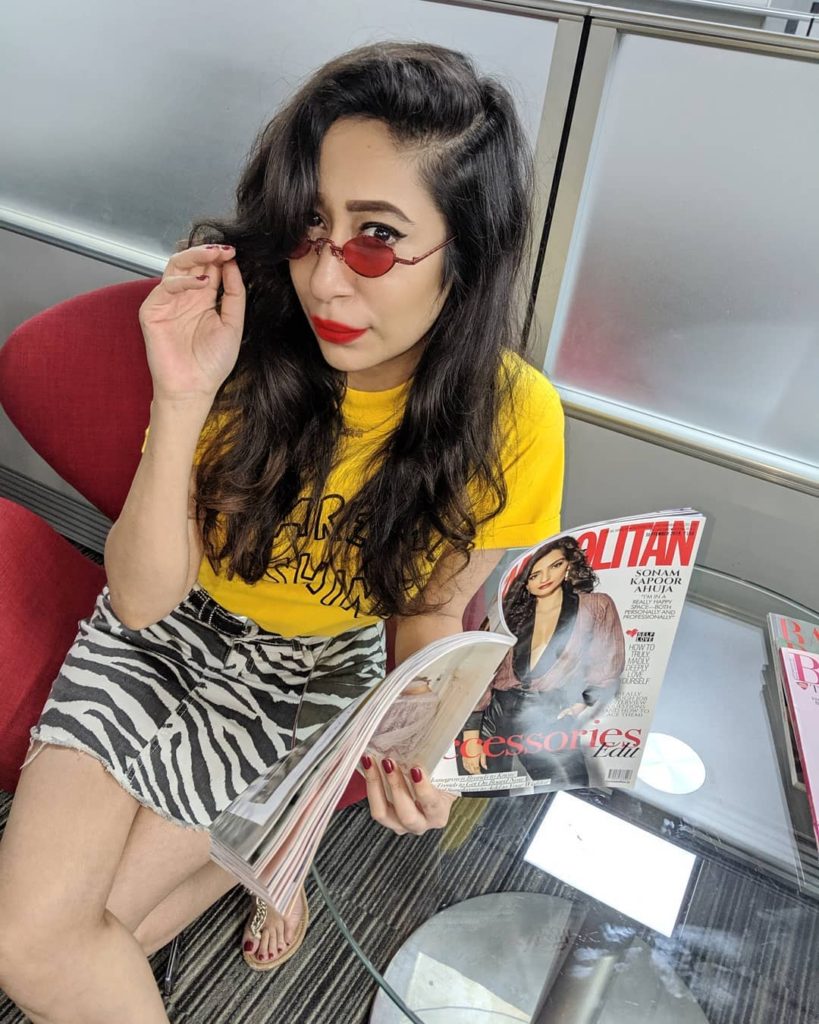
Image Source:Cosmopolitan.com

JD Talks is here to tell you that your learning and growth are a constant process which, even a pandemic like novel Corona virus cannot stop.

Highlights of the JD Talks 2.0 with Ms NANDINI BHALLA

She started her journey as one of the youngest editors (ever) in India, that too at just 23 years old, she launched Italian fashion magazine Grazia at 24. Three years later, she took over the reigns at Cosmopolitan India, part of the India Today Group. Cosmopolitan India editor and Rock N Shop visionary. Nandini Bhalla is currently sitting right at the top, leading the pack of fun-fearless-females all over the country. She is a feminist who emphasises on people’s stories She has initiated many ‘firsts’ for the brand, including India’s first Digital Themed issue, first Feminism Issue, first Blogger Awards and first-ever Work From Home Issue. The youthful Cosmo India team is known for spearheading and launching the Cosmopolitan Fearless List, the Women in Tech List, and Women Entrepreneurs List, all initiated to encourage young women to explore more avenues, take bigger risks, and follow their dreams.

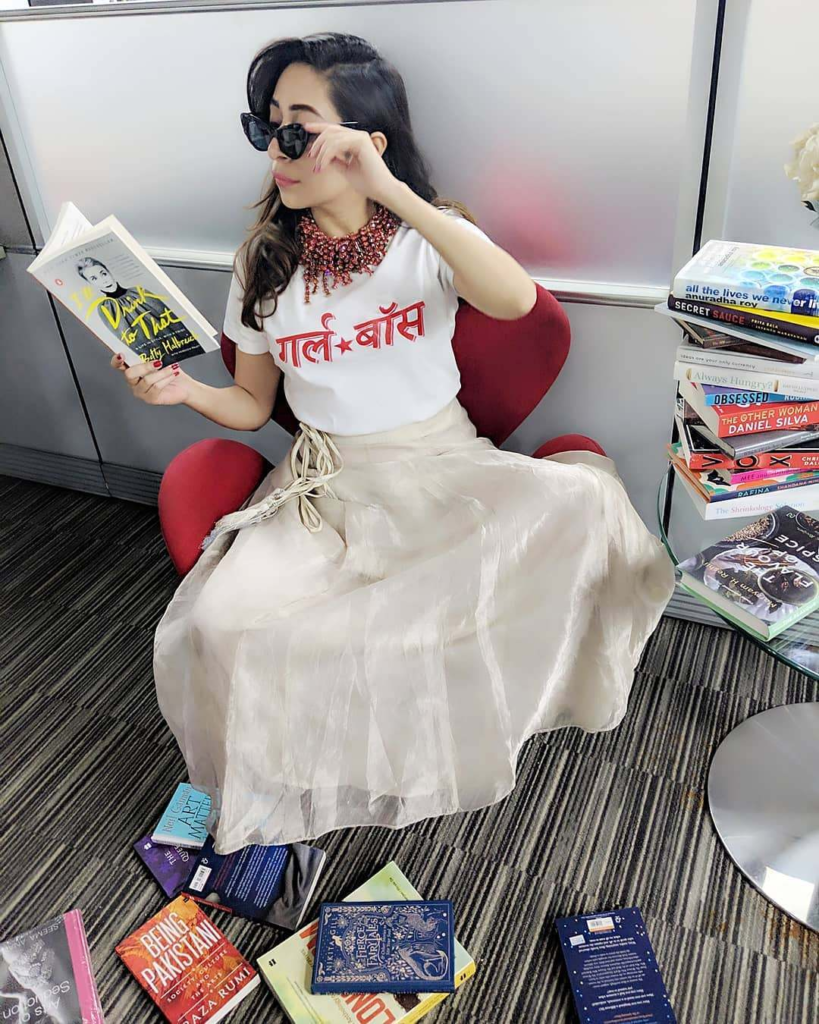
In addition, Nandini is the Digital Editor for the magazine’s website—Cosmopolitan.in—which has grown to over 6 million page views per month, in under 2 years. The integrated digital and print team at Cosmo India works enthusiastically to outdo these numbers, each month. She is a book lover, especially children’s books and has happily read a handful of them in only a day’s time.

Takeaway from the session:

• Work life under total lockdown: Reach out to people who hold the good experience and try to adapt your ways and styling with time.

• Top fashion trends of celebrities under quarantine : The importance of fashion communication and how it updates and communicates what’s trending

• Qualities for an aspiring candidate to enter fashion journalism : The art should speak volumes of what you are trying to convey. You do not necessarily have to go off the books to represent your art, but just try to keep it simple and interesting using fashion communication .

• Tips for design students on the future post pandemic: Your art is like a visual representation, but your presentation can add life to your art and designs. Ensure that you are able to connect with the audience. They must be on the same page for you to communicate with them effectively for a shining career in fashion communication industry.

• Utilize the time at hand: In the times of Pandemic take procrastination as an illness, start making your goals and quirk up your workspace to come up with motivation to create

• Do everything now, you possibly cannot do during your normal routine life : Remember that everyone will have a different life journey, and there is nothing like right or wrong. One must choose the best suitable option in the current state the learning journey JD Institute will offer in prospective opportunities in current times

• Structure your day and live by it : With the growing worldwide fashion market, various brands hire fashion communication experts to help them achieve success. Hence, there will be a need for fashion communication students from JD Institute to keep prioritizing their work and goals based on it

• Make the most of the time during the lockdown : Your fashion communication portfolio is the projection of your designs and creativity. You need to carry at least two to eight of the sketchbooks. You will be required to work on projects, and your portfolio will speak for you. The portfolio must be constructed in a way to lure the recruiters.

Image Source: Urbansuburban.in

“It can be a slow process but persistence will bring the success.”

JD Institute of Fashion Technology, one of the leading design institutions of India hosted another interactive session with people from the fashion & lifestyle fraternity having great exposure and expertise. Our mission again is focused on uplifting the students and motivating them to keep at their creativity and imagination. With over 30 campuses PAN India JD Institute puts its foot forward to keep the students mentally engaged in a thought provoking environment. JD Institute proudly presents the second chapter of JD Talks. Pandemic and lockdown has put the whole world develop, learn and unlearn new ways of being productive. Keeping the physical confines of four walls in mind JD Institute brought JD Talks for JEDIIIANS and Fashion & Lifestyle Fraternity altogether. JD Talks inspires and motivates one and all to expand the wings of imagination and sore high in their own journeys. JD Talks introduces you to distinguished celebrities in their respective fields, takes you through their journey, from their initial steps , their leanings, achievements and failures, to the status they are today. Each one of us identifies ourselves with their journeys and finds motivation to leap forward.

JD Talks is here to tell you that your learning and growth are a constant process which, even a pandemic like novel Corona virus cannot stop.

An overview of Visual Merchandising

Tuesday, March 30th, 2021

Visual merchandising is an important retail strategy that maximizes a product’s aesthetics with the goal of growing and maximising sales. A visual merchandiser is an integral part of a brand’s look, feel, and culture. When done correctly, visual merchandising will increase brand awareness while also growing brand loyalty. The most important role is to attract customers into the store and close the sale, which is entirely dependent on the appearance of your retail show.

The most important reason to engage and inspire your customers is to motivate them to purchase more of your items, which will boost your revenue, margins, and return on space. This phase of interaction starts even before they enter your shop.

Visual merchandising meaning

The art of showing merchandise in a retail store to increase sales and draw consumer interest is known as visual merchandising. The presentation of products is done in such a way that their features and attributes are highlighted. All that consumers see inside and outside of a retail store for example, stacks of merchandise, decorations, the layout of rooms, and sign boards  is referred to as visual merchandising. Visual merchandising is used by retailers to draw consumers and encourage them to spend money in their stores. Visual merchandising encompasses all that is displayed in a retail store, as well as the store’s overall atmosphere.

The visual merchandising process begins on the store’s exterior and finishes on the store’s interior. Visual merchandising is so critical in today’s competitive environment that business owners spend thousands of dollars decorating and designing their stores to make them look better than their competitors’ stores.

Retailers can’t resist decorating their stores and showcasing their products in one theme. Visual merchandising is a never-ending process. Retailers are expected to change their appearance depending on the occasion. For example, they use festive decorations during the holiday season to make their customers feel happy. People shop the most during the holiday season. They prefer to shop for products in stores that make them happy and merry, rather than in stores that are dull and boring. As a result, stores change their shop decorations depending on the occasion.

As a result, visual merchandising is a costly task that is often one of the most appealing in marketing.

Main Objectives of Visual Merchandising

  • The first and most important goal of visual merchandising is to increase sales by advertising products and services in such a way that their attributes and characteristics can be seen.
  • To entice passers-by to visit the store
  • To make customers feel good by being in your shop by creating a beautiful and optimistic ambiance.
  • To improve the store’s visual appearance and sell goods by creating a beautiful environment.
  • Customers should be entertained and their shopping experience should feel more like a game than a task.
  • Customers should be informed about the products and services available in the shop.
  • To gain a competitive edge over other retail stores in the region.

Benefits of Visual Merchandising

  • Reflects the company’s image – A well-designed visual merchandising show complements the company’s overall brand. A franchise corporation, for example, would want all of its franchisees to have the same advertising displays. It provides a sense of identity and brand continuity to a company.
  • Engages customers – A friendly and appealing shop provides a strong first impression. It invites customers to visit the store and can assist them in selecting the best product for their needs. Customers would be more likely to return for future visits if they have a good shopping experience thanks to visual merchandising
  • Increase sales – When done correctly, visual merchandising will boost sales by leading customers to the items they want or need. It can also assist them in discovering new goods and services. A well-dressed mannequin can persuade anyone to look for an outfit and accessories they weren’t looking for in the first place.

Various Components

Visual merchandising performance is determined by a number of factors, including the store’s appearance, which involves anything from:

  • Lighting, packaging, and signage
  • Presentation and uniform
  • Ticketing and point-of-sale materials
  • Colors, shapes, and textures come in a variety of colors, shapes, and textures.

As these components are combined to showcase a brand, the consumer experience is enhanced, resulting in a positive buying experience and increased sales.

Brand Loyalty

Customers must be able to experience your brand through the visual elements you select to surround and improve your product in order to maintain brand loyalty.If you’re trying to market a beauty product to a younger generation, for example, you could use vivid, colorful displays with bold signs and edgy models. A cosmetic brand aimed at a mature audience, on the other hand, could opt for pastels, script writing, and soft imagery. By incorporating these unique tactics into the brand, not only will the demographic be drawn in, but the consumer will also be exposed to the brand experience. Building brand loyalty will increase the probability of a consumer buying from you again in the future.

Stop Being Overwhelmed

It’s convenient for many visual merchandisers to become enamored with the new product possibilities and to be continually widening their range and options. If you give your customers too much, you risk complicating your business and putting yourself in the position of having too much inventory. It’s crucial to strike the right balance between the number of goods available; too little option will turn consumers away, while too many will confuse them.

Analyze your market room to find out how many items you will put on sale at any given time. Any product you stock will cost you money; if it hasn’t earned the right to be there or isn’t tied to the purchase of a high margin line, get rid of it to make room for goods that will make you money.

Themes or Topics

Implementing subject matters and trends into displays is a perfect way for brands to improve their visual merchandising. A theme tells a story that makes the customers want to buy. A new product launch is usually accompanied by such themes. With new colors, formats, fonts, graphics, and architecture, the brand will reinvent itself. Color coordination, product grouping, and individual motifs are all examples of theme concepts. When it comes to themes, there are no hard and fast rules, but it’s a good idea to think about the shop, the season, a new product, the brand’s overall look and feel, and how the theme will complement any other in-store promotions.

Marketing

It’s important to maintain continuity in all of your marketing materials when promoting your brand. This is also known as the personality or voice of your brand. You must communicate the look, sound, and completeness of your brand using all available marketing elements. All channels, including in-store displays, blogs, and any other third-party websites and advertising, must provide clear visual merchandising. This ensures consumer brand loyalty and ensures that the brand can deliver, as well as enhancing the emotional bond a customer has with your brand.

Buying with Confidence

When choosing signage for your shop, make sure it’s straightforward and succinct. Your customer would be confused whether there are so many signals or not enough. Keep it easy and compatible with the rest of your store’s branding. Products must be delivered in such a way that the consumer understands precisely what they do and how they can benefit from them.

Getting Certified

If you are interested in visual merchandising or want to master this aspect for the growth of your company, you should pursue education or certification from a reputable institution. JD Institute Of Fashion Technology is one of the best institutes for visual merchandising courses like diploma in visual merchandising ( with subjects like signages, fixtures, elements of design, window design, etc)  and other industry-based courses so that its students can stand out from the crowd by being prepared for the real world ahead of time through a foreign exchange program or learning from industry experts etc. JD Institute shares a vision of having the best facilities, cutting-edge technology, and a resource library, among other things, so that no external obstacle can prevent students from achieving their goals or standing shoulder to shoulder with the industry’s leaders.

JD Institute has received several awards for their excellent contribution to education and record breaking placement of 99% with their students working for top companies like Tommy Hilfiger, Sabyasachi, PepperFry, etc and making a mark in the industry such as Maheka Mirpuri, Rocky S and Shane Peacock to name a few for example- the times power icon award, international glory award, leaders in education award and several others. The candidates are selected through GAT or general aptitude test which is crafted carefully for the institute to test out the creative or artistic skills of the candidate followed by a personal interview. The nature of the test is more on the qualitative side as the candidates are given an opportunity to use their problem solving and creative thinking skills. Your journey to success is waiting for you, enroll now!

Tips by JD Institute to Build Your Boutique Business

Monday, March 29th, 2021

Before starting your online boutique business and to make it a success, you need to possess some skills and traits.JD institute has created important tips or skills that you must look into if you want to make your online business grow. These simple tips and tricks by JD Institute are covered under the boutique management courses also which it offers. So, let’s look into them one by one.

1.   Passion and Drive 

Passion is something that will force you to do those things that you aspire for. When you have passion for something, you spend your entire life into it and make it a success. Thus, it is essential to have a passion for doing your favorite job. The same goes while starting your online boutique. Just sitting ideally at home and doing nothing will not get you anywhere. In order to start an online boutique of yours, you need to look for resources and other essential things that are necessary for making the business a success. Also, you need a driving force for all this and to make your dream come true. Thus, the first skill you should focus upon is passion and drive to grow your boutique business.

2.   Trial and Error

Now, another important skill is to learn from your failures and keep trying. Demotivation and sitting ideally are not worth it. Thus, you need to regularly keep moving ahead and do what you think will stop you. Your actions will only define your future course of action. Actions speak louder than words; an age-old phrase becomes very useful when we talk about growing your business. You need to learn from your mistakes and failures and not repeat them. Use the trial method; if you think one solution will not help you, look for other possible solutions to grow your business. Thus, skills are regenerated and enhanced when you learn from them and move ahead. The same applies to boutique businesses.

3.   Learn from Others

If you think you cannot get something or cannot learn or understand something, the possible solution is to learn from others. There are various online platforms that enable you to talk to those whom you think will help you. Interact with those people that have in-depth knowledge in the field. You need to be updated with the business tactics and for this, the best possible method is to connect and interact with others. You will get an idea of how others do their business and what are the possible areas where you are lagging behind. So, the next skill that you need to adopt is to learn from others and not feel ashamed of your mistakes but recognise them and overcome them.

4.   Marketing and Sales

Another important skill is to have an intrinsic knowledge regarding marketing and sales. Marketing is a skill that enables you to gain new customers, grow your social media followers, write compelling website descriptions, plan promotions, and more. Thus, if you possess this skill, you can definitely help grow your boutique business a lot. Apparel Boutique management requires a high-level. Knowledge of marketing skill so that you do not lag behind in any manner. Further, Marketing skills are one of the most valuable business skills for entrepreneurs. 

Now, you need to know how to increase your sales by following various kinds of methods and ways. You need to attract a lot of customers with your services, then only the boutique business will grow, otherwise sitting ideally and not doing anything will make your business stagnant.

5.   Business Finances

For making your business grow a lot, you need finance. Without finance and sufficient money, nothing can be achieved. Due to a shortage of money, you need excess money or money in advance that can solve every problem of yours. To not face any struggle, you need to make sure that you apply for additional working capital. This skill is not there with everyone. People do not know how to manage their expenses and spend in the right direction. Thus, it becomes even more important to spend your money wisely to grow your business. Now, when you know how to manage the financial condition of the business, you need to do the following-

a)  Understanding your credit score. 

b)  The different types of business loans.

c)       How to manage a budget.  

After knowing all these details, you can easily invest in the right direction.

6.   Networking

Networking is something that plays a key role in the success of any business. To help your boutique business reach heights, it is important that you possess the skill of making good networks that prove as assets for the company. When like-minded people are involved in the business, they all work in the same direction and help in the success of the business. With networking, you can attract many customers and they will help you grow your business a lot. Below mentioned are few ways to increase your network-

  • Sign up for LinkedIn and join some relevant groups for small business owners.
  • Become a member of an association, such as your local America’s Small Business Development Center Network (SBDC).
  • Attend a conference to connect with other boutique owners and entrepreneurs, as this year’s Make It Big Conference.
  • Join an online community to ask questions and get inspired, like the BigCommerce Community.

7.   Time Management

Time management is something that plays a crucial role. Every minute in your life matters a lot; thus, it is advised that you should not waste your time. JD Institute is the best fashion designing institute that helps students to get in-depth knowledge in the fashion industry so that they do not lag behind anyone in any area. For this, we offer a lot of boutique management courses. These courses cover every important aspect such as the skills needed to make the online boutique business success, the ways to grow the business, and various such others. The boutique management syllabus covers all the important aspects of how to grow your business and expand it to make it a success.

8.   Confidence

Now, it is very important that you have confidence in yourself. For this, do not get saddened in any manner. Failures and successes are there in business. But what is important is that you should be discouraged or demotivated in any manner. You should hire the right employees for your business who have the ultimate goal of making the business grow higher and higher. Further, you need to make sure that you treat them well so that they do not feel left out. Your clients will always feel taken care of when they visit your boutique if you hire friendly, professional employees.

Conclusion

Now, you see that these simple skills and behaviors of a person can make a sea change in making the online business grow a lot. The success of the company matters a lot, for this, the online boutique business should be flooded with right-minded people whose main aim should be the enhanced growth of the company. The skills such as confidence in you, good marketing strategies, sales to go higher, passion and drive, and your constant growth mindset are some of the strategies that play a key role in a business’s success. Thus, you need to make sure that you follow the steps laid down above and inherit all the important skills to grow your boutique business.

Amazing Ideas for Presenting the Visual Merchandising

Monday, March 29th, 2021

Visual merchandising is a practice adopted by the retail industry of presenting and decorating products in such a way that they are appealing to the customers. The main goal is to maximise sales and improve the foot traffic in the retail outlets. Visual merchandisers use their creativity to display the most appealing products to lure the customers into the store. They make the retail stores as attractive as possible for the customers. 

Retail owners hire visual merchandisers to build a solid customer base and increase their sales and profits. Nowadays, people are shifting to online modes to shop for all kinds of products which is why the importance of visual merchandisers are increasing in the present-day world. Everything in the store set up including window displays, in-store arrangements, stock displays, lighting, signage, graphics, colours, décor, pattern, texture, and more are a part of visual merchandising. All these elements are organised and combined in the best possible way to catch the attention of the target customers. It will help to build a brand image and leave a lasting impression on potential customers.  The first thing a customer will notice after entering your store is how appealing your store looks. Based on this first impression, the customers make purchases and spend their hard-earned money. 

Tips and suggestions for visual merchandising 

Visual merchandising has a major impact on sales and customer’s overall experience. Follow these below-mentioned tips and tricks to improve visual merchandising in your retail stores:

1.     The first impression lasts long: Interesting and attractive displays will lure the customers to enter your retail outlets. You need to represent the motto and vision of your brand with different kinds of posters and themes so that the customers remember your store and make multiple purchases from you in the future. You need to focus on every single element, be it big or small to make this first impression. With good lighting, choice of window displays, colourful décor, a visual merchandiser needs to look into every aspect of the presentation. Your store must look visually appealing both from inside and outside. The exterior of the store must represent what your brand stands for, its objectives and vision. Make sure that you constantly change the themes, paint and displays, clean the windows, and keep the whole store neat and clean. 

2.     Sort every item under specific categories: The customers must be able to quickly identify the products that they are looking for. As a visual merchandiser, your role is to make a customer’s shopping experience better. Use signage to label the departments and the categories clearly. If customers will be able to find the products easily, they will definitely come back to make purchases in the future. This will lead to a loyal customer base in the long run.

3.     Window displays: The displays on the storefront windows must be clearly organised and should represent the culture and look of your brand. Window displays will attract the busy customer’s attention and lure them to your retail outlet. They are the best way to promote your store. It is a tough job to decide on these window displays. A lot of research about the market trends, customer demands are required to make this decision. They are best used for seasonal promotions, sales promotions, new arrivals, trendy items, etc. Themes are an essential element of visual merchandising. Make careful decisions regarding themes, colours, images, props and lighting for the window display. 

4.     Keep your displays simple and organised: don’t overcrowd your displays by putting up a large number of items together. This might confuse the customer in selecting the right product. Put fewer items on display and use simple boxes, stands to display the items. Don’t distract the customers by using too many colours, textures and prints.

5.     Presenting the products: Think about how you want to present your products on your shelf displays. Products that are in high demand are generally displayed to grab the customers attention. Vertical displays are more appealing than horizontal displays. Visual merchandisers must have an eye for detail. Placing the visually striking products on the entrance shelf can maximise sales. 

6.     Elements of display  Combine the key elements of display like colour, pattern, texture, size and shapes in the right proportion. Create your own story for the customers to understand your products and your overall brand motto. By creating a story, you create a long-lasting emotional bond with your customers. This drives the customers to buy more of your products. 

7.     Store layout: The job of a visual merchandiser is to plan the overall store layout to attract more and more customers into the store. Avoid cluttered spaces and make sure that there is enough space for the customers to walk around and shop. This will lead to high foot traffic in your retail store. Plan the arrangement of display racks and mannequins inside the retail outlet. Make sure that the products are easily accessible by the customers.

8.     Lighting: good lighting often makes a difference in the overall look of the store. Lighting enhances the store displays and creates a perfect ambience. You can also draw attention to specific products by using spotlights in your store. Lighting has a major impact on the look and feel of your retail outlet. 

9.     Signage: Signs can be very useful to identify particular products, draw attention to special promotions and sales, diversify the products into different categories based on prices, fabrics, new arrivals, fashion trends et cetera. These factors together increase sales in the store. Stay up-to-date with the signage and labels. The customers will be able to find the products quickly with the help of proper signage and graphics. 

10.  Use mannequins: presenting your products on mannequins will instantly grab the consumer’s attention. Mannequins are a very creative way of displaying your products in retail outlets. Looking at a well outfitted mannequin will help the customers select the right items from the store. 

11.  Seasonal displays: A visual merchandiser must use his creativity to display the products according to changing seasons. Keep track of festivals and occasions and make changes in your store accordingly. For example, during the summer season, use bright themes and pictures of beaches to present your summer collection. Change your themes and display styles on Mother’s Day, Father’s Day, Holi, Diwali, etc.

12.  Focus on the overall experience: an interactive shopping experience is a good strategy in a retail store. For example, if you have kids wear store, place kids play station and games in one corner to allure the kids into your store. 

13.  Make use of five senses: Create an in-store environment in which the customers are allowed to engage all their senses. With good lighting and colour combinations, make your store visually appealing to the customers. Soothing music is always tempting to the ears. Play soft and slow music in your retail store to enhance the shopping experience of the customers. Allow the customers to touch the products and feel their texture. Place the products in such a way that the customers can both see and feel them. No one likes places that smell bad, therefore, use room fresheners. 

14.  Promote your store on social media: in the modern-day world, social media has taken over every aspect of our lives. Creating a social media presence will encourage the customers to visit your store and make purchases. Create visually appealing displays and post the pictures on social media to lure the customers. 

15.  Use technological advancements: visual merchandisers Use technology to present their products and make the customer’s shopping experience better. Techniques like interactive videos, endless aisles, QR code, virtual reality, augmented reality are used in retail stores to make shopping more interesting. The customers can access the products more easily with the help of advanced technology.Visual merchandisers give an aesthetic look to the retail stores and compel the customers to make purchases from the stores. Their goal is to enhance the in-store experience and maximise sales. If you are planning to pursue visual merchandising as a career, the JD Institute of fashion technology is a premier institute in India that offers a diploma in the virtual merchandising course that is specially designed for the creative individuals who have an eye for detail. The individuals receive rigorous training and expert guidance that will help them excel in the field of virtual merchandising.

How Fashion Business Management opens up Many Multi-Faceted Options

Sunday, March 28th, 2021

The fashion industry drives a significant amount of economic value globally. According to the Statista market forecast, the fashion industry’s revenue is expected to showcase an annual growth rate of 14.1%. This would result in a direct projection in the market volume of $22,291mn by 2024. Apart from being a very influential business sector, the fashion industry also keeps on finding new and innovative approaches to tackle complex global and local issues. 

Young aspirants who are looking forward to joining this fast-growing fashion industry not only have fashion designing as a career option, but there are many other functions that are required in the business and management of this fashion industry. Fashion Business Management equips the students with a broad set of skills and abilities. Below are the following set of skills: 

Broad set of skills and abilities required: 

  • Multi-tasking: Working in a fashion industry equips the students with the skill of being a multi-tasker. If you want to have a name in the fashion industry, you have to manage tons of things together. 
  • Agility: Working in a fashion industry enables you to quickly respond to the challenges and current developments in the fashion industry’s business and society. It also enables one to make informed managerial decisions considering the situation’s social, ethical, economic, and cultural implications.It is most likely to allow one to work on real-world issues, solve problems, prioritise resources using analytical techniques, and develop a cost-effective strategy while working in the fashion industry.
  • Communication: Working in a fashion industry also enables one to analyze diplomacy cases and respond to conflicts accordingly. It also ensures that one presents innovative ideas to the interested parties who are interested in the fashion industry. 
  • Employability: Working in the fashion industry equips an individual with transferable skills and strong business knowledge to use for marketing, consultancy, advertising, human resources, finance, and retail and sales. 
  • Multidisciplinary: Working in a fashion industry equips an individual with skills applicable in different roles across the fashion supply chain. These skills and abilities contribute to a business’s success, ranging from human resource management, finance, entrepreneurship, service operations, supply chain management, consultancy to global business.

As the fashion industry equips individuals with various skill sets, it too makes an individual fit for various kinds of jobs and roles. Let’s dive right into some of the job opportunities that the fashion industry opens up for an individual. 

Different Job Roles: 

  • Fashion Merchandiser: A fashion merchandiser is a person who analyses the market trends, builds strategic production planning based on those trends, and manages to make purchases based on their negotiation skills. Fashion Merchandisers also oversee the style design of the garments and accessories in retail clothing stores or in a fashion house. If you are someone who looks forward to having a career as a fashion merchandiser, then working in fashion business management will open up doors for you. 
  • Fashion Buyer: A fashion buyer is responsible for traveling to various production facilities, trade fairs, and fashion shows that are organized worldwide to see what a company has to offer and showcase based on the emerging seasonal trends. For being a fashion buyer, one needs to have commercial awareness about the fashion industry, confidence, the ability to make decisions, and great negotiation skills. All of these skills are essential for an individual to have if they look forward to being a fashion buyer. Working in fashion business management would teach you most of the skills required to be a fashion buyer. 
  • Sourcing Agent: A sourcing agent is a person who assesses the needs and wants of the company. Not only this, but the sourcing agent also locates suppliers and meets them in order to see if they will be able to take on the fashion orders from the company. Sourcing agents can either represent a single employer or a number of companies. One can learn the ropes of sourcing fashion products while working in fashion business management. 
  • Sales and Distribution Manager: Sales and distribution manager is the person who is responsible for processing the orders and reorders, updates the stock levels, deals with customer queries, logistical problems, and manages the distribution of the fashion products. The person is even responsible to visit the retail stores in order to get updates on the customer feedback. 
  • Fashion Product Managers: Fashion product managers are people who have a thorough understanding of the fashion market works. Therefore, they are able to analyze the consumer requirements of the fashion products at appropriate pricing based on the understanding of the market. Fashion product managers are the people who turn ideas and design concepts into valid commercial reality. They are also responsible for overseeing the implementation of quality on their products. 
  • Fashion Brand Manager: The fashion brand manager is the person who curates various strategies in order to improve the brand value of the fashion company. The skills of analyzing and coming up with various strategies come automatically to a person after working in fashion business management. 
  • Retail Merchandisers: Retail merchandisers are the people who act as a link between the buyers and the sales floor. They ensure that the right stock of the product is in the right place at the right time in order to maximize sales and margin performance. They even decide on the products, sizes, colors, quantity that will be present in the store.
  • Visual Merchandiser: Visual merchandiser is responsible for promoting the images, products, and services of the retail business and organization. They are also responsible for creating eye-catching product displays and store layouts in order to attract customers. 
  • Fashion Blogger: A fashion blogger is a person who loves to write about fashion. They write right from print magazines to online blogs to e-commerce websites. These people provide a written insight into what is happening in the fashion world.
  • Fashion Digital Marketer: A fashion digital marketer is a person who is responsible for increasing sales, improving the brand presence, and making the brand more profitable.
  • Fashion Social Media Manager: A fashion social media manager is a person who creates brand awareness among the audience, drives social media traffic, fosters online engagement, and develops social media strategies that help build the fashion community. 
  • Fashion Market Manager: The fashion market manager is the person who is responsible for increasing the market share of the fashion products through various marketing strategies that draw the customers towards the fashion brand or company. 

How can JD Institute Help You with Fashion Business Management? 

We at JD Institute offer diploma courses in fashion and business management. We make sure you learn the ropes of working in the fashion industry by taking a fashion and business course as your curriculum. A diploma in fashion and business management has a lot to offer in terms of skills and great career opportunities. 

You can be a great fashion worker in the fashion industry after pursuing a fashion and business management course. This diploma course in fashion and business management is for 1 year. This 1-year diploma course is the right fit for anyone who is looking forward to a career in the fashion industry.

Everything About Interior Designing

Saturday, March 27th, 2021

Have you ever been praised for your designing skills? When any room is decorated, is your opinion always referred to? If the wall colour is chosen or the furniture is rearranged, are you the first to volunteer for your opinions? If so, an interior design might be your forte. However, before choosing this career to go forward with, here are 10 things that are crucial for you to know about the industry. There are many challenges which an interior designer faces, amongst which some can be daunting while some can make you passionate about this profession:

  • Explore and hone your creative skills

To become an exceptional interior designer, you need to reflect an eye for detail, an intuition about space, a natural understanding of colours, harmony and balance. One can refine these skills and create a strong foundation that will help your journey of becoming a successful interior designer.

  • An Interior decorator is not equal to an interior designer

You might have received a lot of praise regarding your placement of home decor, colours, and design, but reflecting these decoration skills is not enough to be called a good interior designer.

  • Interior designing is more than just design.

An interior designer should reflect more technical skills than just designing the spaces. A good interior designer should know about the different materials, be familiar with different interior design tools, furniture design, and maintain good relations with clients or suppliers etc.

Interior designers should also reflect knowledge around the building’s structural integrity, history of design, regulations, local codes, CAD or computer-aided design, ethics, etc. Like architects, interior designers are also expected to be the jack of all trades. Interpersonal skills are required, and I have to interact with the other designers, homeowners, architects, government agents, builders, etc. One needs to be well-rounded to become a good interior designer.

  • It’s not about reflecting the same taste.

Design is subjective due to which it will not be reasonable to expect your client to have the same taste as you. As they have hired you to design their interior, forcing your ideas will not be a good idea. It may be a possibility that even after working for years, you might not be able to design a home according to your preference but that is okay as you are designing for your client te space should resonate with their vision or they should be able to connect personally with space. Even if they insist on the worst colour combinations, it is your job to smile and fulfil their wishes. However, you can put the foot down if their decision hampers the safety of the users.

  • You should possess a knack for design.

This is an obvious point if you decide on your career, but it is essential to focus upon. A good interior designer should reflect a flair of arrangement, colour, textiles and architecture.

  • Design your schedule

If you choose to be a freelancer, you will have the freedom to decide your schedule or hours. However, there might be sleepless nights or hours consumed in designing in revising one drawing. In addition to devoting your time to making sure you put some time aside to work on your skills, read more about interior design or learn new helpful software in interior designing.

  • Multi-task is essential

As the interior designers become successful with time, so does the work of pressure or number of projects. To work on multiple projects or juggle between many clients, one needs to reflect excellent multi-tasking skills.

  • The salary isn’t always excellent.

It is not wrong to expect a decent amount of salary after a vast or expensive education. But statistics show that not all interior designers can earn a significant amount of money; however, it does depends on your education, work experience, location or size of the company etc. for example- an interior designer at an architectural firm will earn more than an interior designer working at a furniture company.

  • It will take time to convert your name into a brand

Interior designing reflects cutthroat competition or is a competitive field,it will take time to build a strong foundation for your business and be noticed by prospective clients. Assist your friends or family to build your portfolio in the starting even with low pay. One thing which can set you apart from the crowd is to keep yourself updated. The more knowledge you reflect, the more are your chances to get noticed. Follow accounts, blogs, websites to keep yourself updated with the latest trends.

  • It will not be a tedious office job.

It might seem that interior designers just have to sit in front of the computer. Still, they have to move in reality, be it meeting with clients, suppliers, architects, contractors, consultants, etc., visiting the sites and reviewing the work if you have creative skills and interior designing the correct field.

As knowledge works to your advantage, the firms or clients are keen on hiring someone who reflects a degree or education regarding interior design. A good institution is essential. JD Institute Of Fashion Technology is one of the oldest and premium institutes providing an interior designing course. Each course is industry-based. The students are prepared for the real world, which can help you bag a decent interior designer salary or interior decorator salary from the start. JD Institute reflects a vision of providing the best cutting-edge technology, infrastructure, or resource library so that no external barrier acts as a limitation between the students and their goals. They can stand shoulder to shoulder with the leaders of the industry they wish to enter.

JD Institute has won several awards for their exceptional contribution to education, such as the times’ power icon award, international glory award, best vocational education institute of the year and many others. With their students working for top organizations such as Zara, Sabyasachi, Tommy Hilfiger etc, JD Institute reflects a record-breaking placement rate of 99%, ensuring that talent meets opportunity. Candidates are chosen using a general aptitude test, or GAT, which the department carefully developed to help the institute assess the candidate’s artistic or creative abilities. JD council offers important assistance after graduation and helps you maintain contact with the college and other students. It represents the organization’s goal of assisting members in expanding their business opportunities through an organized, positive, and skilled referral program that helps them establish meaningful and long-term relationships with quality industry professionals. Enrol now to take advantage of this fantastic opportunity!

What Other Things You Must do, Including the Internship in Your Interior Designing Career

Friday, March 26th, 2021

If you reflect artistic skills and are keen on pursuing a career in interior designing, you are at the right article. While many documentaries or reality shows on home renovations have helped raise awareness regarding the importance of interior designing in our lives. JD Institute is here with 10 things that you must do along with an interior designing internship in interior designing to stand apart from the crowd or become successful:

  • Interior designing is not limited to residential designing or home renovation.

As is portrayed in reality shows or documentaries, people often perceive it as the whole of the interior designing industry, it is important to understand that these shows or documentaries focus on just one aspect or area of the whole field and there is much more to interior designing than residential designing such as commercial, food and beverage, hospitality, healthcare design, etc. these areas require knowledge apart from just aesthetics.

  • Interior designing and interior decoration are different.

In both interior designing and interior decoration, there is a sense of composition and aesthetics; interior designing goes deep into the floors, walls, or ceiling while interior decoration goes way beyond the wall surface. Interior designing reflects science and art, which requires knowledge regarding construction and materiality, planning and spatial programming, or conceptualizing. 

  • Professional requirements for interior designers in your region or country.

It is significant to look at whether there are certain qualifications required to work as an interior designer? Do you need a license? And does it have to be renewed regularly?. For a career in interior designing, mostly a bachelor degree is needed while a license is optional in most cases.

  • Valuable resources can be provided by local or international design organizations and associations.

An example of such an association or organization is IIDA or international interior design association which helps in connection the interior designers to scholarships, upcoming events like roundtables, fashion shows etc, job opportunities etc.

  • Drawing skills may not be a requisite, but strong spatial thinking skills is

Interior designing is seen as an art or a studio practice, it is often assumed that all you need to become a successful interior designer is solid artistic skills which are also due to two reasons; first being that interior designing programs often start with fundamental drawing skills and second being that the ability to draw helps in conveying idea for a space or proportion in relation to the human body. Spatial thinking skills are much more important than drawing skills in the long run, is considered.

  • Interior designing is not a high-paying profession usually

Many shows which are aired on the television regarding interior designing might have created a false impression that all of them live a luxurious lifestyle or earn a lot of money, while in reality, interior designing reflects a mediocre salary as compared to other professions. Interior designers earn a little less than architects as a license is not required in interior designing.

  • Interior designing is about realizing the clients’ dream instead of their own.

Though due to the design dreams, people get into interior designing, but with time you will realise that it is seldom, if ever, about your own subjective taste. However, this does not mean that you cannot put your creative sensibilities to use at all. The job of interior designing requires you to lend your technical or artistic expertise to the client to convert their space according to what their needs are. There is a constant negotiation between the taste of the client and the expertise of the designer.

  • Communication or people skills hold equal importance as design skills.

As interior designing is dependent upon the negotiation between client and designer, the ability to communicate is really important for the design solution to mean anything. Not all of us are artistic geniuses like Le Corbusier, who are difficult to work with due to unestablished communication.

  • Many overlaps are there between designing and architecture, and it is important to question yourself as to where your interest lies.

Numerous overlaps which exist between designing and architecture are computer drafting, spatial thinking, rendering skills, knowledge about materials, sustainability practices, construction, spatial thinking and digital modelling etc. interior designing operates on a much smaller scale than architecture with an exclusive focus on fixtures, furniture and equipment.

  • Be prepared to hear the phrase, “ will you design my apartment or house/condo for your whole career.

Such phrases will be common among your family, friends, or acquaintances upon hearing about your profession.

As for a successful career in any field, education plays a crucial role as clients or firms are also interested in hiring someone with a bachelor’s degree from a good college. JD Institute Of Fashion Technology is one of the oldest and premium institutes when it comes to art providing various courses like interior designing course etc. with each course being industry-based so that the students are enabled to handle any situation in real life, and they have an equal amount of practical knowledge when compared to the theoretical knowledge which will help them to bag great interior design jobs right from the starting.
JD Institute shares a vision of providing the best possible infrastructure, resource library, cutting-edge technology, etc. So no external barrier acts as a restriction between the students and their goals, and they can stand shoulder to shoulder with the industry leaders they wish to enter. As an exemplary contribution to education is seen by JD Institute, they have been awarded a various token of recognition such as leaders in education award, best vocational education institute of the year, international glory award and many more.JD Institute has a record-breaking placement rate of 99 percent, ensuring that talent is matched with opportunities, with students working for top brands such as Zara, Sabyasachi, Tommy Hilfiger, and others, and making a name for themselves in the industry, such as Maheka Mirpuri, Shane Peacock, and Urvashi Kaur, to name a few. The selection process is carried out using the GAT, or general aptitude test, which the department carefully drafted to help the organisation determine the child’s creative or artistic abilities. The test’s essence is more qualitative as it allows applicants to use their problem-solving skills or creative thinking. After you graduate, JD council offers you invaluable support and assists you in maintaining connections with each other and the college, as well as unique art and career opportunities. It represents the organization’s goal of assisting members in expanding their business opportunities through a supportive, organized, and skilled referral program that helps them to form meaningful and long-term relationships with industry professionals. The right opportunity awaits you; enroll now to succeed!

How to Start Your Career as an Interior Decorator?

Friday, March 26th, 2021

If you are keen on becoming an interior decorator, it’s crucial to know what this career path involves. Many people are confused as to how to start. Interior decoration is much more than rearranging furniture or picking out pretty fabrics. In their typical day, they track down a missing tile installer, deal with cabinet spacing, steer the owner away from items that are budget blowing, make a presentation in front of the architectural review board, work with regards to the seasonal installation of business forefront and much more.

But how does a person or decorator get to this point, or how to get started? JD Institute has bought some key points that will help you better understand not just how to become an interior decorator but also how to gain success in it. Before this, we need to understand that interior designer and interior decorator are used interchangeably but are not the same.

Will you be a good decorator?

If you think you have a great sense when it comes to design but are only lacking in the sphere of experience, you might be wondering if there is a way you can tell if you will become an excellent interior decorator; well, we have some good news for you, you can! Just ask these simple questions to yourselves, and you will have the answer:

  • Do you reflect a strong colour memory or have a good eye for colour?
  • When you walk into a home or a space of business, do you visualise the elements which can make the space better?
  • Do you like working with a lot of people?
  • Have you had any hands-on experience or decorated your home extensively? Did you enjoy the process?

Artistic Talent

To be a decorator, many people wonder if they need some artistic talent. Though it is not necessary if you do reflect some artistic talent, it can be advantageous. Many clients cannot visualise the final outcome you are trying to show them, which makes it significant for you to show the floor plan in three dimensions either through computer or drawing. Though drawing skills are more relevant in an interior designer, they are helpful in both fields, while computer skills are necessary for any field you choose.

Types of Jobs

The design field reflects a wide range of career opportunities. The majority of interior decorators are indulged in designing residents, while the others work in the commercial field, for example- the restaurant industry or the hotel industry. Additional education may be required to work in these industries.

The decorating field is way beyond just designing, as many decorators can work in sales or the retail industry. Simultaneously, furniture stores, fabric stores, blind stores etc., are the industries where interior decorators are often employed. Crossover careers are growing with time as well; for example- many decorators or designers find their voice in being an editor or writer reflecting their knowledge. This is also known as interior design journalism. Many decorators also become decorative painters or work in the specialised service industry.

How to Get Started

The biggest question which arises is where to start from. Although there are a lot of answers, the best way is to start slow and be patient. Always remember that your knowledge and work can be the most excellent tools of advertising.

Begin with Where You are and Who You Know

Network with civic organisations, relatives, neighbours or friends, local organizations etc., to meet people in the industry, local trade shows can be a great way. Word of mouth reflects a massive tool in the life of an interior decorator.

Reach out to Other Decorators

Though it is a competitive field, interior decorators are always willing to share information; you will rarely find someone who isn’t and will consider you as competition. Overall, it’s a friendly community; always be kind enough to pay back any kindness which someone has shown to you.

Get out and Meet the Local Suppliers

Meeting the local suppliers reflects manufacturers of furniture or carriers, fabrics, tile flooring, etc. don’t be ignorant about the subcontractors or contractors who are indulged in brickwork, plumbing, etc.

A Portfolio is a Must

Get lots of practice, even if it pays nothing. Keeping a business card or website is great or a huge bonus, but one thing which is a necessity is a portfolio; no matter how limited your work is, people want to see your work. If you don’t reflect too much hands-on experience, you can start with your home. If you redo a home for free, many people will be happy to chip in money for suppliers.

Consider Sales to Get Started

Decorators are often seen working in the interior sales industry. More experienced people of sales can garner a salary as well and consider starting a home-based decor business, which can be a great way of networking.

Education and Degrees

Technically speaking, interior decorators or designers don’t require a degree. However, knowledge works to your advantage, plus the firms or clients are keeners on hiring someone who reflects degree or education regarding it, due to which a good institution is important. JD Institute Of Fashion Technology is one of the oldest and premium institutes providing interior designing or interior designing course. Each course is industry-based. The students are prepared for the real world, which can help you bag a decent interior designer salary or interior decorator salary from the start. JD Institute reflects a vision of providing the best cutting-edge technology, infrastructure, or resource library. No external barrier acts as a limitation between the students and their goals. They can stand shoulder to shoulder with the leaders of the industry they wish to enter.

Due to their exemplary contribution to education, JD Institute has been granted many tokens of appreciation such as the international glory award, the times’ power icon award, leaders in education award, etc. JD Institute has a record-breaking placement rate of 99 percent, ensuring that talent meets opportunity with their students working for top brands such as Tommy Hilfiger, Zara, Sabyasachi, and others, and leaving their mark in the industry, such as Maheka Mirpuri, Shane Peacock, and Rocky S, to name a few. A general aptitude test, or GAT, is used to choose the candidates, which is crafted carefully by the department to help the institute test out the candidate’s artistic or creative skills. The JD council provides invaluable assistance after graduation and assists you in connecting with the college and other students. It represents the organization’s goal of assisting members in expanding their business opportunities through an organised, positive, and knowledgeable referral programme that allows them to form meaningful and long-term relationships with quality industry professionals.

Copyright © 2025 JD Institute of Fashion. All Right Reserved

Designed by Red Lemon

Whatsapp icon
Apply Now
Enquire
Quick Enquiry