


Did you know that when humans enter a room, our eyes automatically search for the focal point within the first 3 seconds?
That’s your brain working like a designer, even if you don’t realize it!
Just like learning a new language helps you travel, learning interior design language helps you create smart, stylish spaces. Whether you’re decorating your own room or dreaming of becoming a professional designer, it’s important to know the basics. That’s why we’ve made this simple and fun guide for you all about the 5 Common interior design terms you should know as a student.
If you’re planning to take up an Interior Design course at JD Institute of Fashion Technology, knowing these terms early on will help you understand your classes better, present your ideas clearly, and think like a real designer from day one.
Space planning means deciding where furniture and decor should go in a room. It’s about using the available space in a smart, comfortable, and beautiful way.
Real-Life Example: Have you ever visited an IKEA store? Notice how you’re guided through fully set-up rooms? That’s space planning in action. They plan layouts to inspire you and make shopping easier.
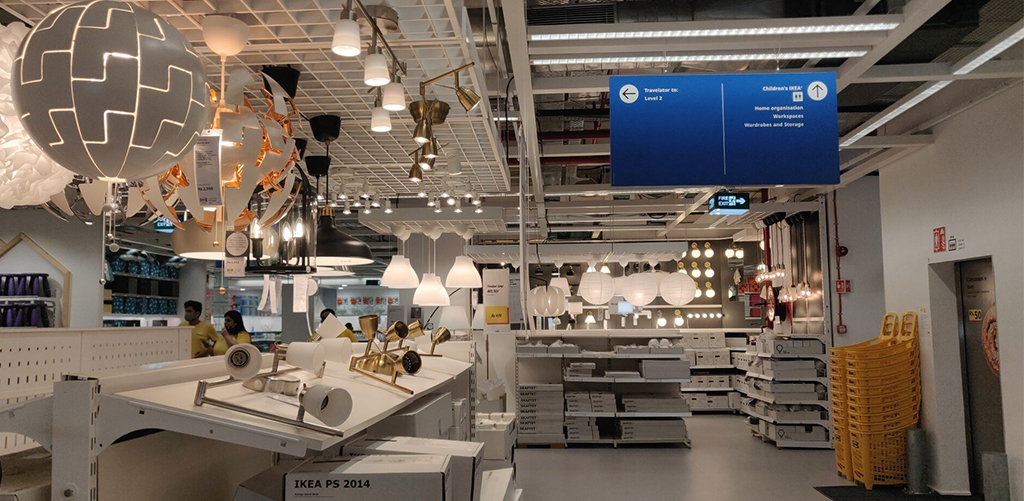
At JD Institute, students are taught how to plan spaces for homes, offices, stores, and more, using real tools and industry tricks.
A mood board is like a visual plan. It’s a collection of images, colours, fabric samples, and materials that show what your final design will look and feel like.
Real-Life Example: Design teams at Airbnb use mood boards to create warm, welcoming spaces across the world. It helps them stick to their design style, no matter the location.
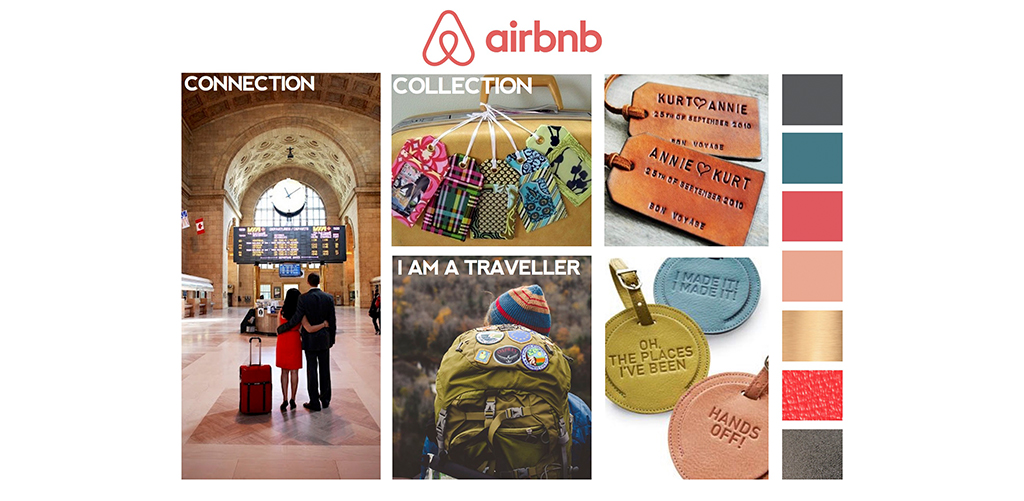
A mood board is basically your creative direction in a snapshot. Learning how to express your ideas through visuals is a key part of becoming a designer. And yes, students must actually build mood boards that go into real client presentations, and not just classroom demos.
A focal point is the most attractive part of a room. It could be a big painting, a fancy light, or a bright wall, anything that grabs your attention first.
Real-Life Example: Design brand BoConcept often uses one bold item, like a colourful chair or a modern lamp, to stand out in an otherwise simple room
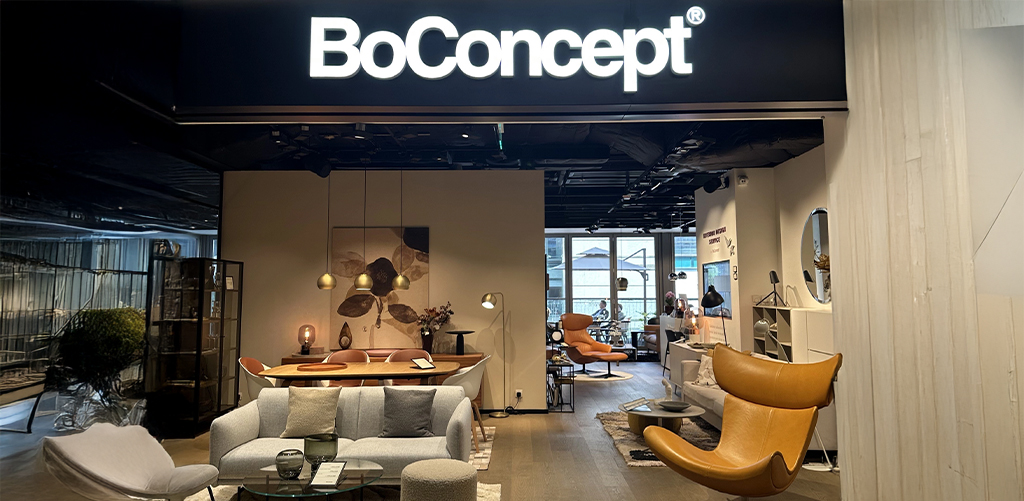
Understanding focal points is key if you want your designs to look professional and polished. Furthermore, understanding how to create visual hierarchy is one of those student must-knows that will separate you from amateur decorators.
Ergonomics means designing for comfort. It’s about making sure that furniture is easy and healthy to use, like a chair that supports your back or a desk that’s the right height.
Real-Life Example: The company Herman Miller became popular for their ergonomic chairs. They are used in top offices around the world because they are both stylish and super comfortable.
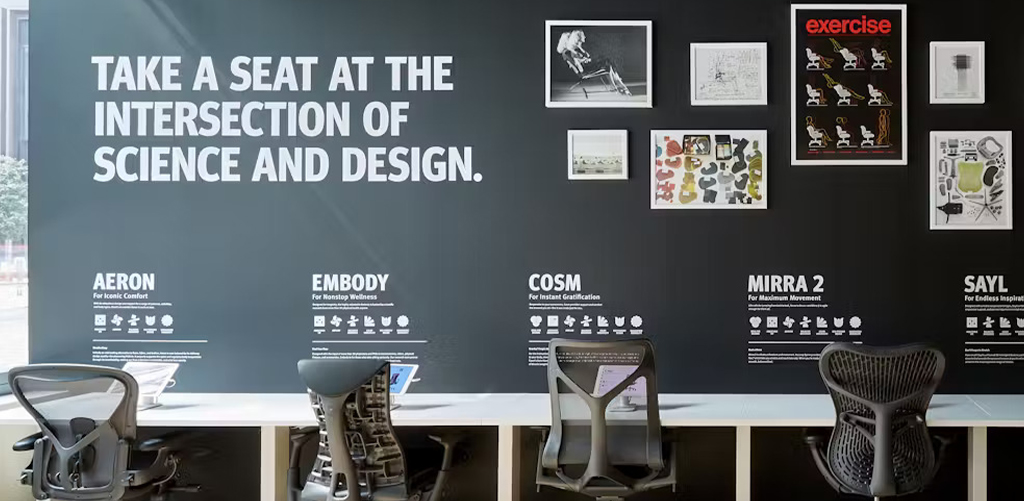
As an aspiring designer, you’ll need to balance beauty with usability thereby making ergonomics a real part of the learning experience, because good design isn’t just pretty, it’s practical.
Accent pieces are small decorative items that add style and personality to a space. These can be things like colorful cushions, funky lamps, or unique side tables.
Real-Life Example: Indian brand The Yellow Dwelling creates beautiful eco-friendly accent items like curtains, vases, and cushions, often the final touch that makes a space feel you.
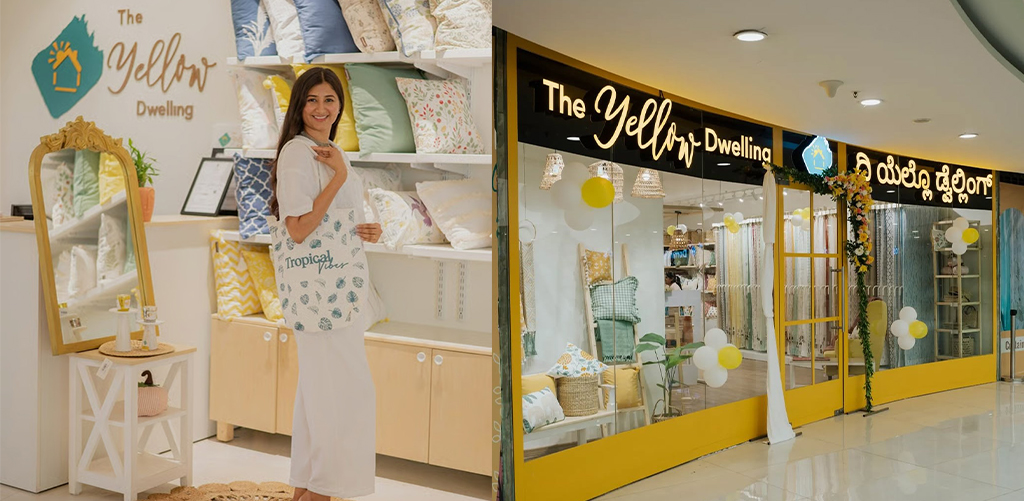
As a student, learning how to choose the right accent pieces helps you create spaces that feel lively and unique.
The world of design moves fast. And to be part of it, you’ve got to speak the same language, and not just creatively, but technically too.
These interior design terms you should know as a student are your starting point. And the more you learn, the more confident you’ll be in building beautiful spaces that truly work.
Want to do more than just follow trends? Want to create them? Then maybe it’s time to explore how the Interior Design course at JD Institute can shape your talent and give you the right tools that are both creative and professional.
 Design Blogs
 Watch on youtube


 Downloads

Copyright © 2025 JD Institute of Fashion. All Right Reserved
Designed by




 Quick Menu