


“Would your home stand strong if tomorrow turned turbulent?”
From violent hurricanes and torrential floods to relentless wildfires and earthquakes, the climate is more unpredictable than ever. Our homes, once mere shelters of comfort, now need to be fortresses of resilience. This shift has given rise to a new era in interior design—one that fuses safety, sustainability, and style.
At JD Institute of Fashion Technology, the Interior Design course equips future designers with the knowledge to face such challenges head-on, blending creativity with practicality. Here, students learn how to design spaces that are not only aesthetically pleasing but also disaster-proof.
Floods can strike suddenly, destroying homes and belongings. But modern design solutions are changing the game. Take the FLOAT House by Morphosis Architects in New Orleans—built on a floating foundation, it rises with floodwaters, safeguarding its interiors.
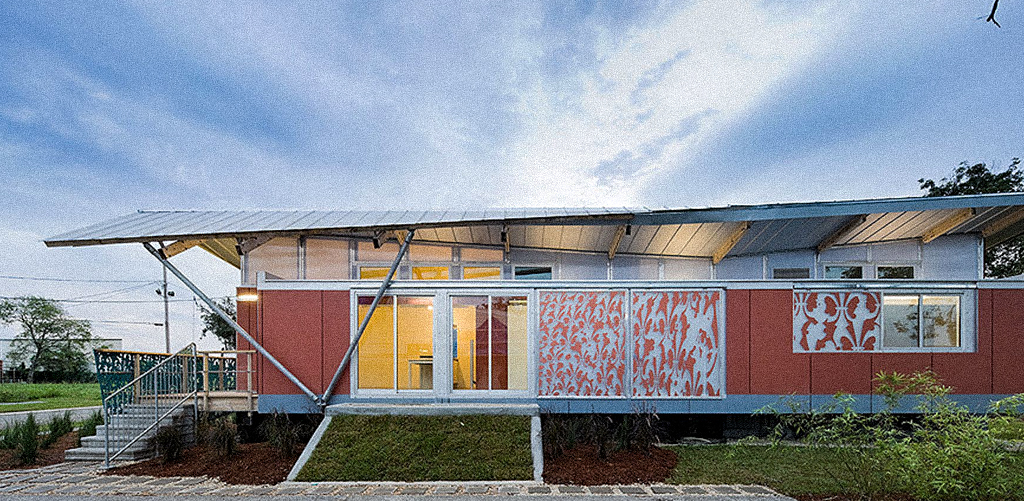
Smart flood-resistant designs include:
At JD Institute, students learn to blend such practical solutions with creative design, ensuring safety without sacrificing style.
Wildfires are fierce and fast-moving, but some homes are built to resist. The Desert House by Marmol Radziner in California uses fire-resistant steel and concrete exteriors, paired with minimalist interiors that reduce flammable items.
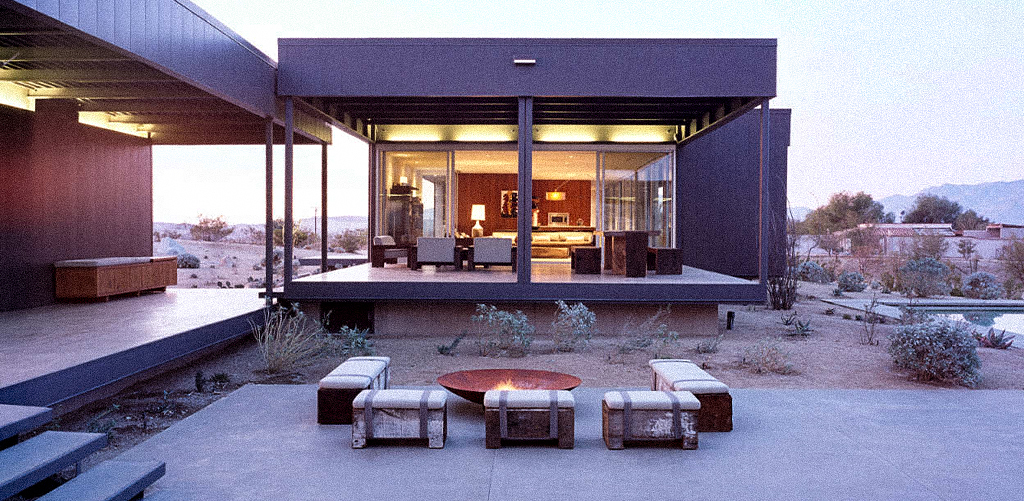
Effective fire-resistant interiors include:
JD Institute empowers students to design interiors that are as safe as they are stylish, with the knowledge of the latest technologies and materials.
When the ground shakes, secure and flexible interiors save lives. The Taisei Technology Center in Japan showcases advanced seismic design, with flexible joints and secured furnishings that reduce injury risks.
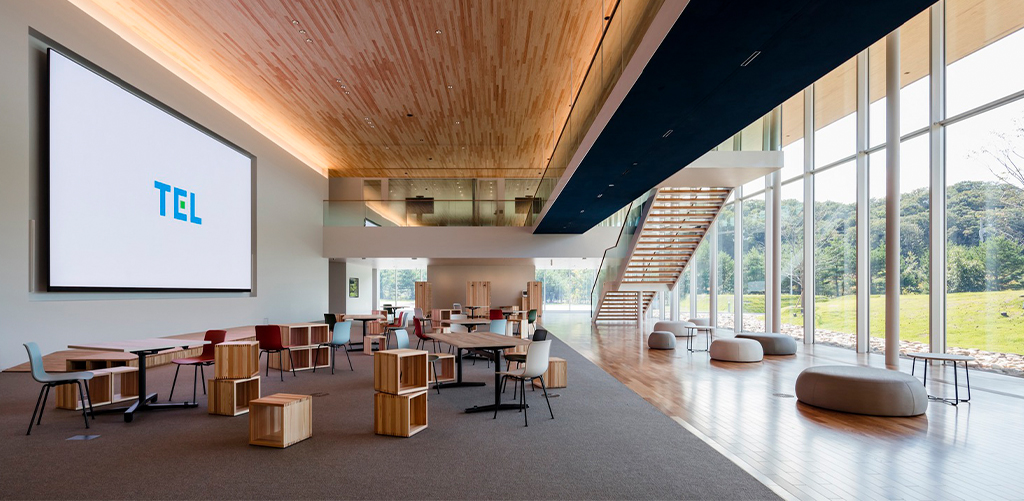
Earthquake-resilient interiors focus on:
These features not only enhance safety but also bring a modern, minimalist aesthetic to interior spaces. By embracing flexibility and adaptability, earthquake-ready interiors make homes safer and more comfortable. This approach also allows for innovative interior designs, as open floor plans and lightweight materials provide endless creative possibilities.
Hurricanes bring powerful winds and flying debris, but homes like the Safe House by KWK Promes in Poland showcase how design can defend against storms. This home features thick concrete walls and retractable shutters, protecting the interiors while maintaining a sleek, modern look.
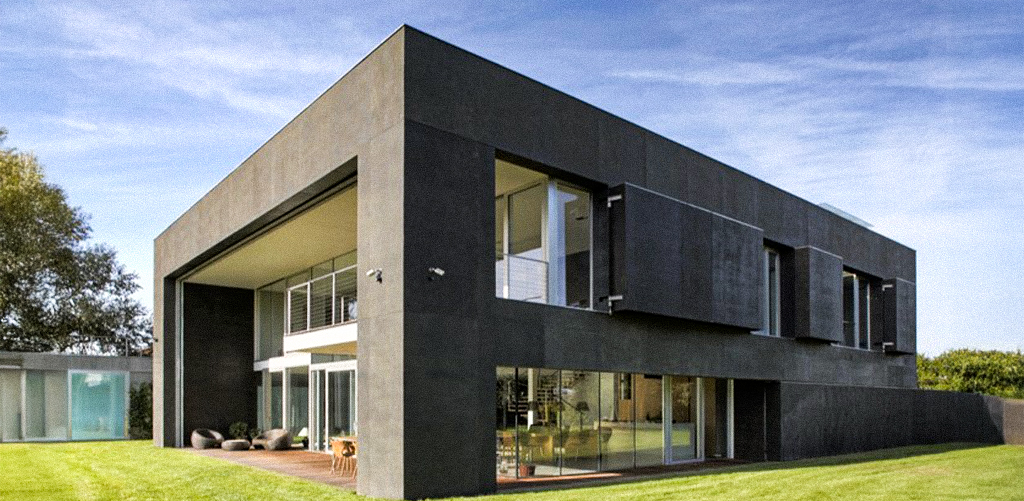
To storm-proof interiors:
With these strategies, homes can be both resilient and beautiful, ensuring safety without compromising on design. Additionally, storm-proof interiors enhance a home’s value by increasing durability and reducing maintenance costs. These designs demonstrate that strength and elegance can coexist.
With unpredictable weather patterns becoming the norm, homes need to adapt to extreme heat, cold, and humidity. The Edge in Amsterdam is a perfect example of climate-responsive design, with smart technology that adjusts temperature and lighting according to the weather.
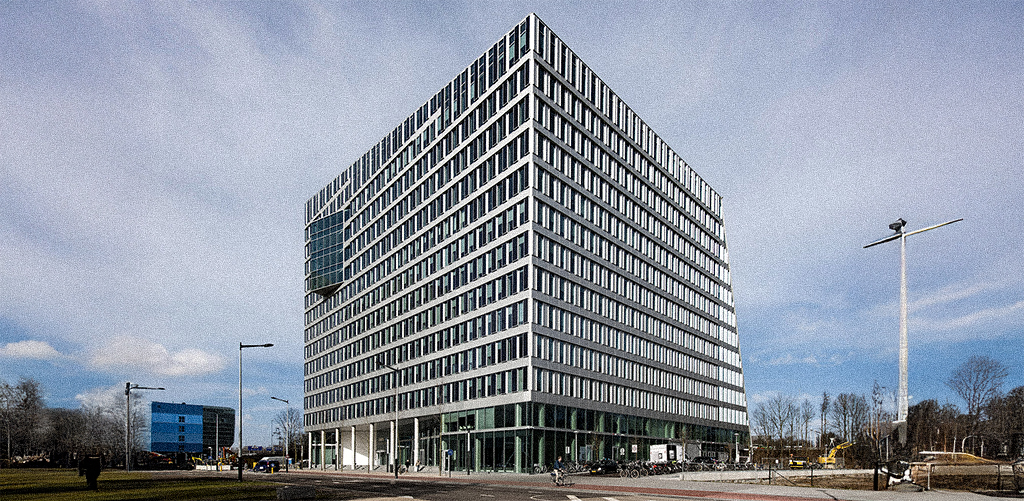
Adaptive interiors use:
This approach ensures that interiors are not only comfortable but also energy-efficient and environmentally friendly. Climate-responsive interiors reduce energy consumption, lowering utility bills and minimizing the environmental impact.
Disaster-proof interiors are more than just a trend—they are the future of living. From flood-proof floors to fire-resistant furniture, modern interiors need to be tough yet beautiful.
The Interior Design course at JD Institute of Fashion Technology equips students with the knowledge and skills needed to create these resilient spaces.
Are you ready to shape the future of living? Step into the world of interior design with JD Institute, and transform your passion into a purpose. Let’s design safe, smart, and stunning homes for a climate-challenged future.
 Design Blogs
 Watch on youtube


 Downloads

Copyright © 2025 JD Institute of Fashion. All Right Reserved
Designed by




 Quick Menu